
Astrophysics & Space


Unveiling the mysteries of the Universe with rapid realizations of innovative technology
Goals
-
Expand the frontiers of astrophysics and spur discovery through the implementation of cutting edge technology and the cultivation of world-class talent
-
Drastically reduce the cost and time curves for development by embracing risk, cross-pollinating ground and space-based technologies, and encouraging collaboration across industry and academia
-
Democratize access to astronomy resources by supporting global usage and open science while empowering early-career researchers to be the first users of new assets
-
Promote widespread and reliable integration of AI and advanced computing into astrophysics
Supported Projects
- Obsevational Platforms
- Computational Tools
-
DSA
The DSA is a proposed radio survey telescope and multi-messenger discovery engine that will consist of a multitude of antennae built with innovative low-maintenance parts. Unlike traditional radio telescopes that require complex data interpretation and deconvolution, this array will produce well-sampled near real-time images of the radio sky.
Learn More
-
Argus
A real-time movie of the night sky The Argus Array is a ground-based optical observatory designed for high-cadence, all-visible-sky survey imaging, optimized for the discovery of transient and variable objects as well as deep imaging. Full array operations are planned for 2028. Argus will consist of 1,200 small-aperture telescopes with a combined collecting area equivalent to an 8-meter-class telescope. It will cover the visible sky from zenith down to an altitude of 38 degrees, yielding an instantaneous field of view of 8,000 square degrees. The combined focal plane will comprise 122 gigapixels of fast-readout, low-read-noise CMOS detectors with a plate scale of approximately 1 arcsecond per pixel. Each sensor will operate in one of two fixed optical filters (blue and red), providing alternating color information as the system tracks the sky. Operation and data products Argus’ nominal operating mode will be continuous 60-second-cadence imaging of the Northern sky. These observations will be stacked over a wide range of timescales, from 15 minutes to more than six months, enabling time-domain astronomy on previously poorly explored timescales as well as deep survey science. In addition, the sensors can be operated at faster cadence for a bright-time subsurvey, enabling exploration of the transient universe on approximately second-long timescales. Key data products include: Images: 15-minute and longer co-added images transferred to the archive 1-minute images stored temporarily Point-source sensitivity (g band): 1 second: m_g = 16.8 mag 1 minute: m_g₎ = 20.0 mag 15 minute co-add: m_g = 21.5 mag 1 hour co-add: m_g = 22.3 mag 1 night co-add: m_g = 23.2 mag 1 week co-add: m₍g₎ = 24.1 mag 6 month co-add: m₍g₎ = 26.5 mag Light curves and photometry: available for pre-selected and newly identified transient sources at base (1-second / 1-minute) cadence Real-time transient alerts: disseminated through alert brokers For more details, see https://argus.unc.edu/ Lead Institution: University of North Carolina, Chapel Hill Co-funder: Alex Gerko
Learn More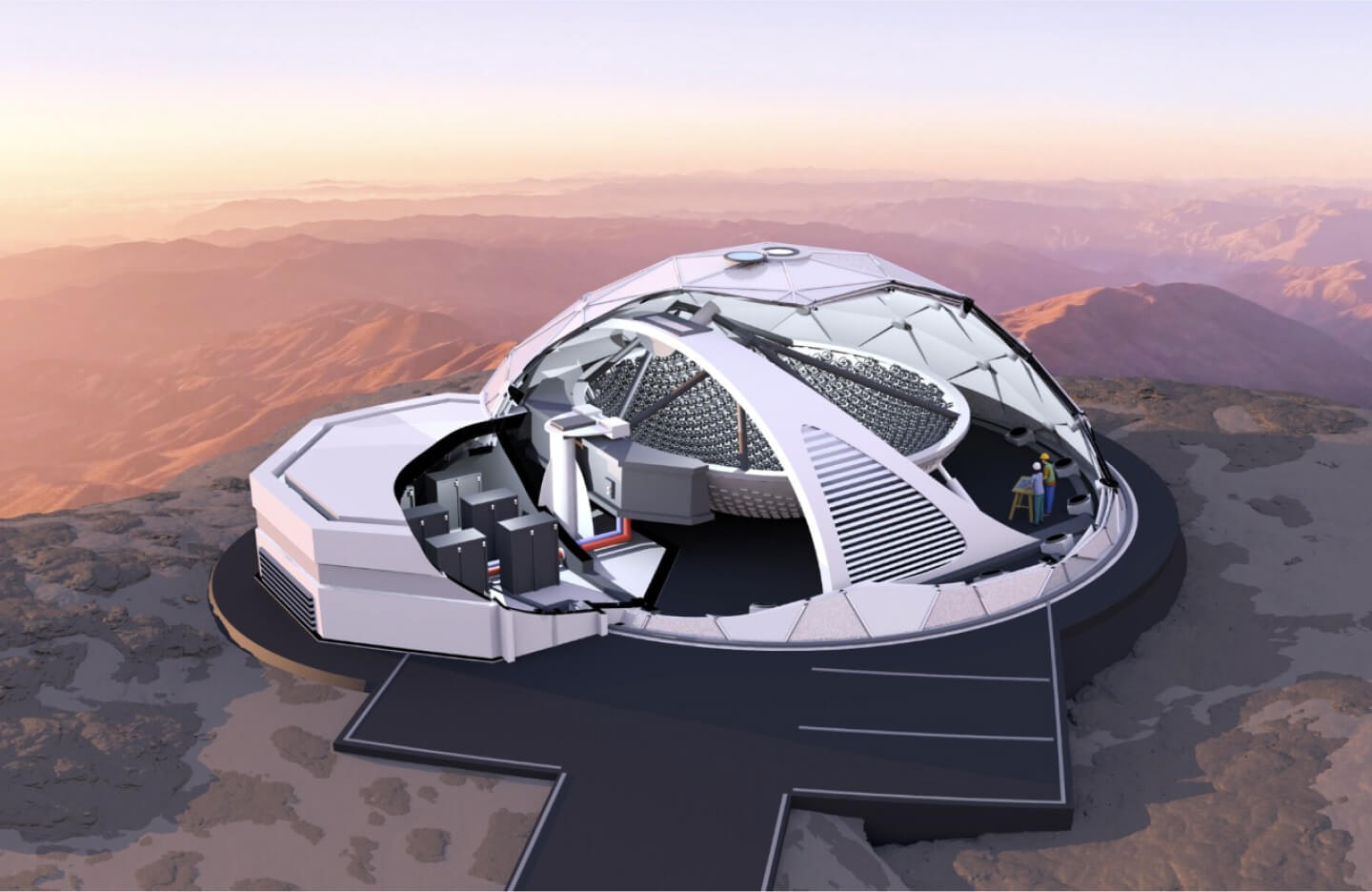
-
Large Fiber Array Spectroscopic Telescope (LFAST)
LFAST is a scalable observatory design where hundreds to thousands of small telescopes are combined using optical fibers to feed a high-resolution spectrograph. The staggering photon collecting ability of this design would enable, for example, a comprehensive search for biosignatures in the atmospheres of transiting exoplanets.
Learn More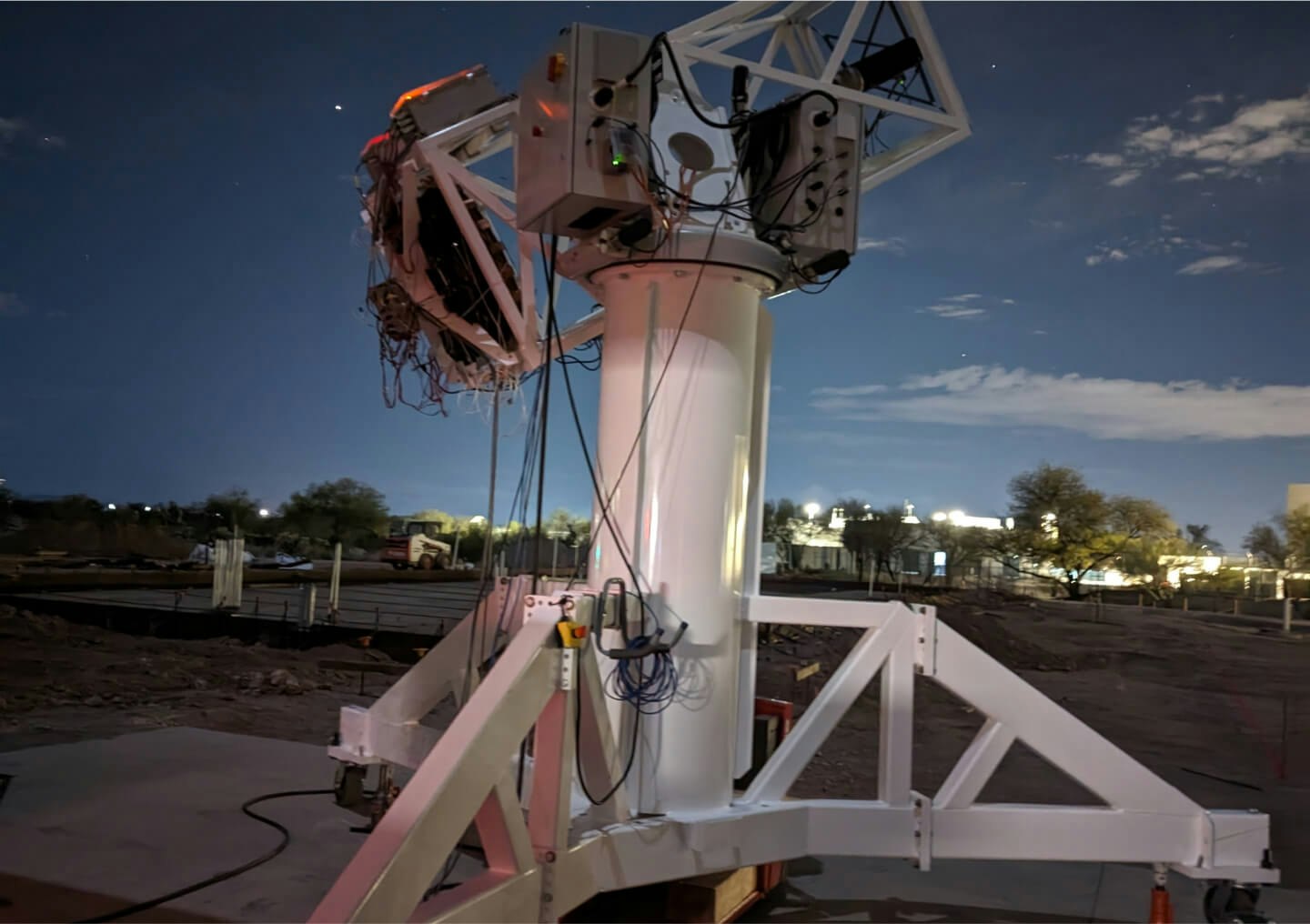
-
Morning Star mission to Venus
The Morning Star mission consists of a small direct-entry probe that will sample the Venusian atmosphere with an AutoFluorescence Nephelometer. With a lifetime of only about 5 minutes in the harsh environment, the probe will look for in-situ evidence of organic molecules within the cloud layers at a 48-60 kilometer altitude.
Learn More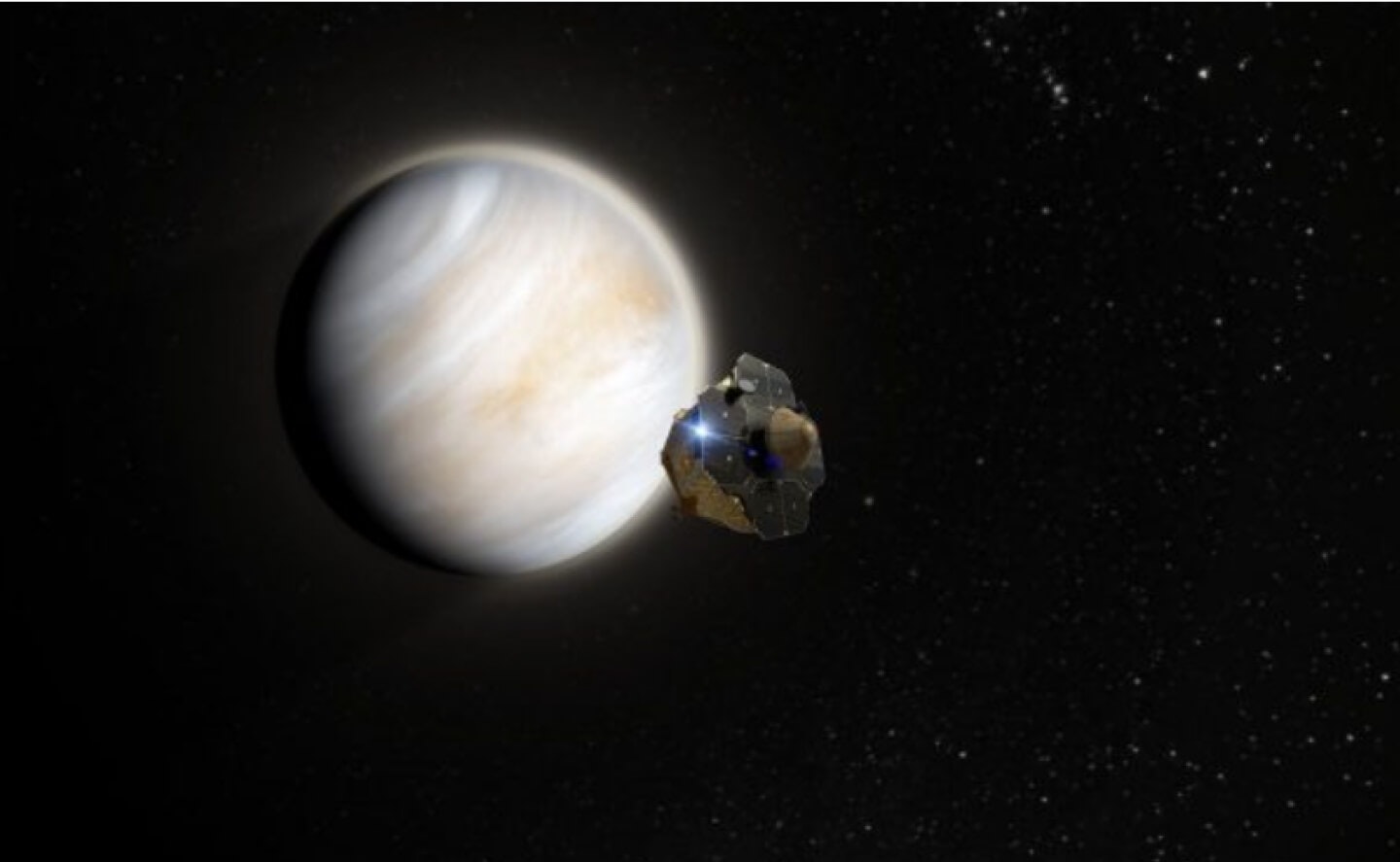
-
Cryoscope
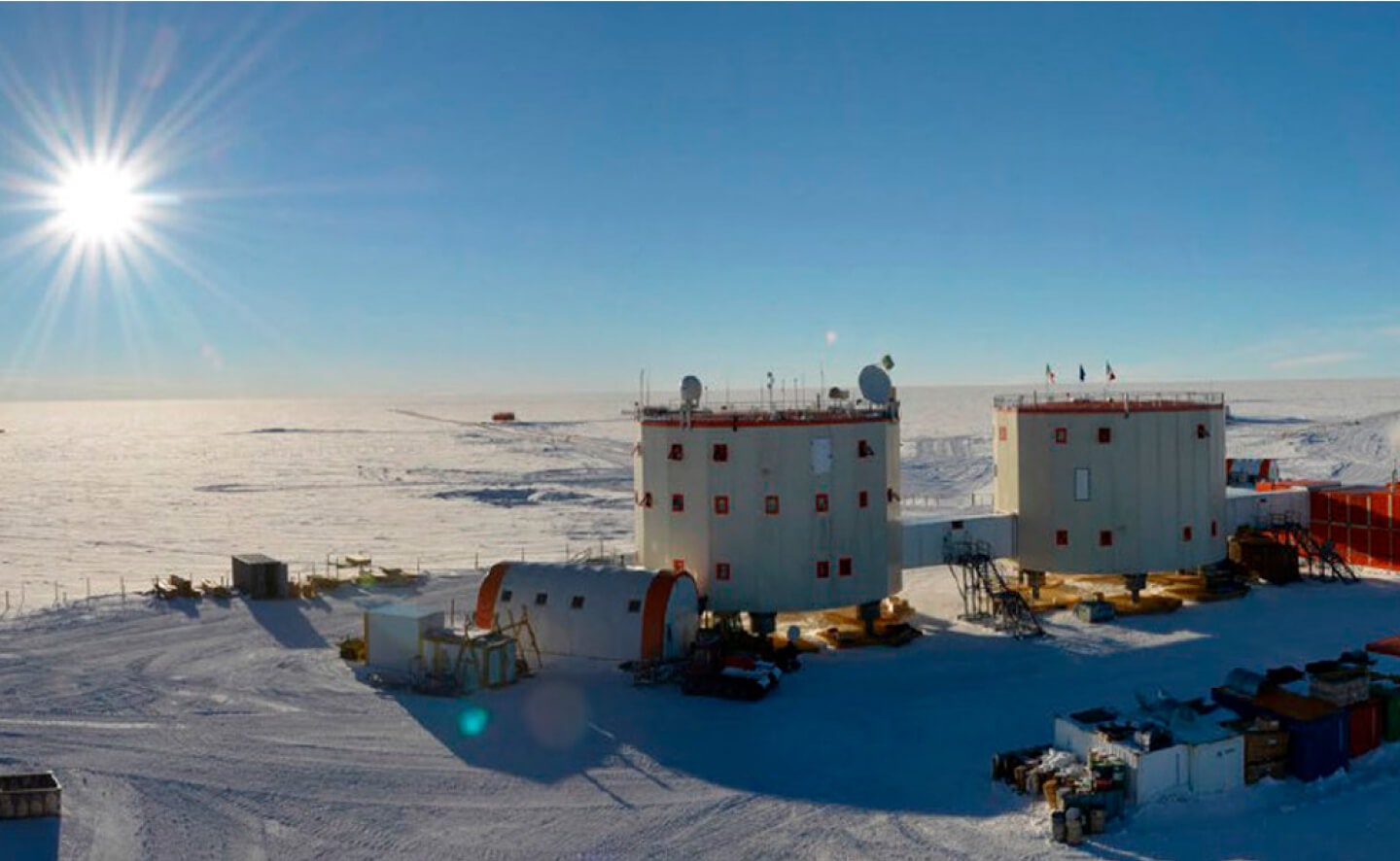
Cryoscope is a fully cryogenic experimental telescope destined for the Antarctic, where it will study the dynamic infrared sky. The team is testing a novel optical design and new sensor technology to build a wide-field surveyor that is uniquely powerful for multi-messenger astrophysics.
-
LINCC Frameworks
The LSST Interdisciplinary Network for Collaboration and Computing (LINCC) unites communities with shared tools to maximize discoveries from the Legacy Survey of Space and Time at the Vera C. Rubin Observatory. LINCC Frameworks provides the computational architecture and code researchers need to manage the unprecedented scale and complexity of the upcoming LSST data.
Learn More
-
FutureLens
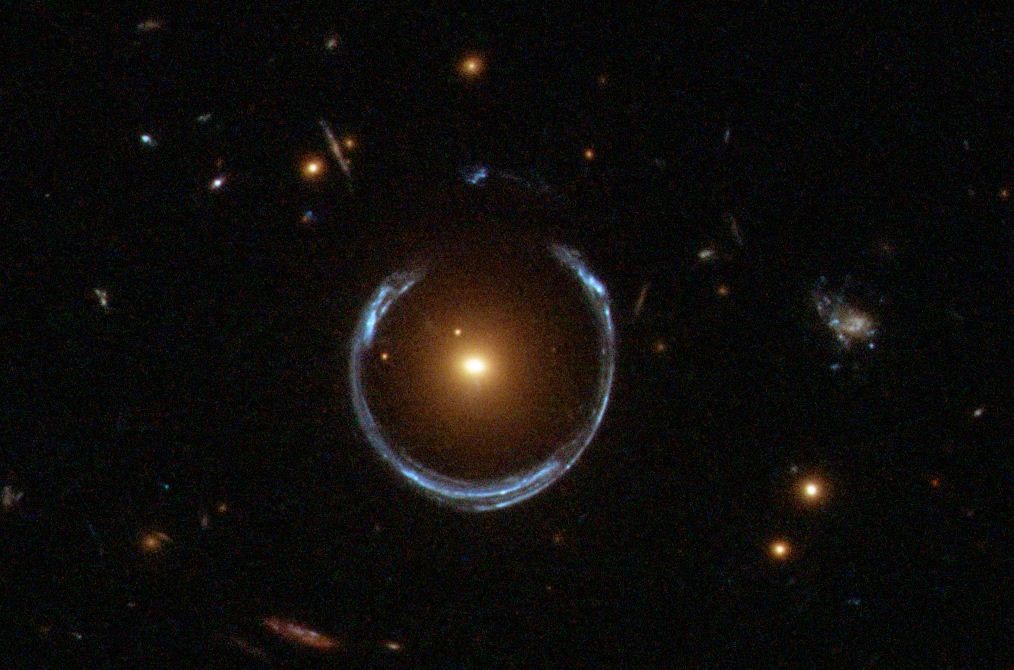
The Vera C. Rubin Observatory will discover thousands of gravitationally-lensed quasars, each producing multiple images due to the curvature of spacetime. To decode these structures and access the underlying information on dark matter, this project is developing machine learning driven pipelines and tools for the study of lenses and lightcurves in Rubin data.
-
Subaru PFS Optimization
This project uses machine learning in a feedback loop to optimize follow-up of celestial objects in large spectroscopic surveys such as the Prime Focus Spectrograph on the Subaru telescope. The team is also applying ML techniques to improve spectral data extraction and control instrument systematics.