Inspiring a new generation of journalists, researchers, and creators to engage the public with complex ideas in STEM, and to encourage continuing excellence in the field
The Eric and Wendy Schmidt Awards for Excellence in Science Communications, given by the National Academies of Science, Engineering, and Medicine in partnership with Schmidt Sciences, aim to recognize excellence in science communication across a variety of platforms and mediums.
Each year, the program will award 24 prizes honoring research scientists, science journalists, and science communicators who have produced excellent pieces of science communication. The program has been designed to be forward looking in its potential to encourage continuing excellence in science communication and foster connections and opportunities that help make awardees even more effective communicators. To this end, the program will also provide programming, professional development and networking opportunities to the research scientists, science journalists, and science communicators after receiving their awards.
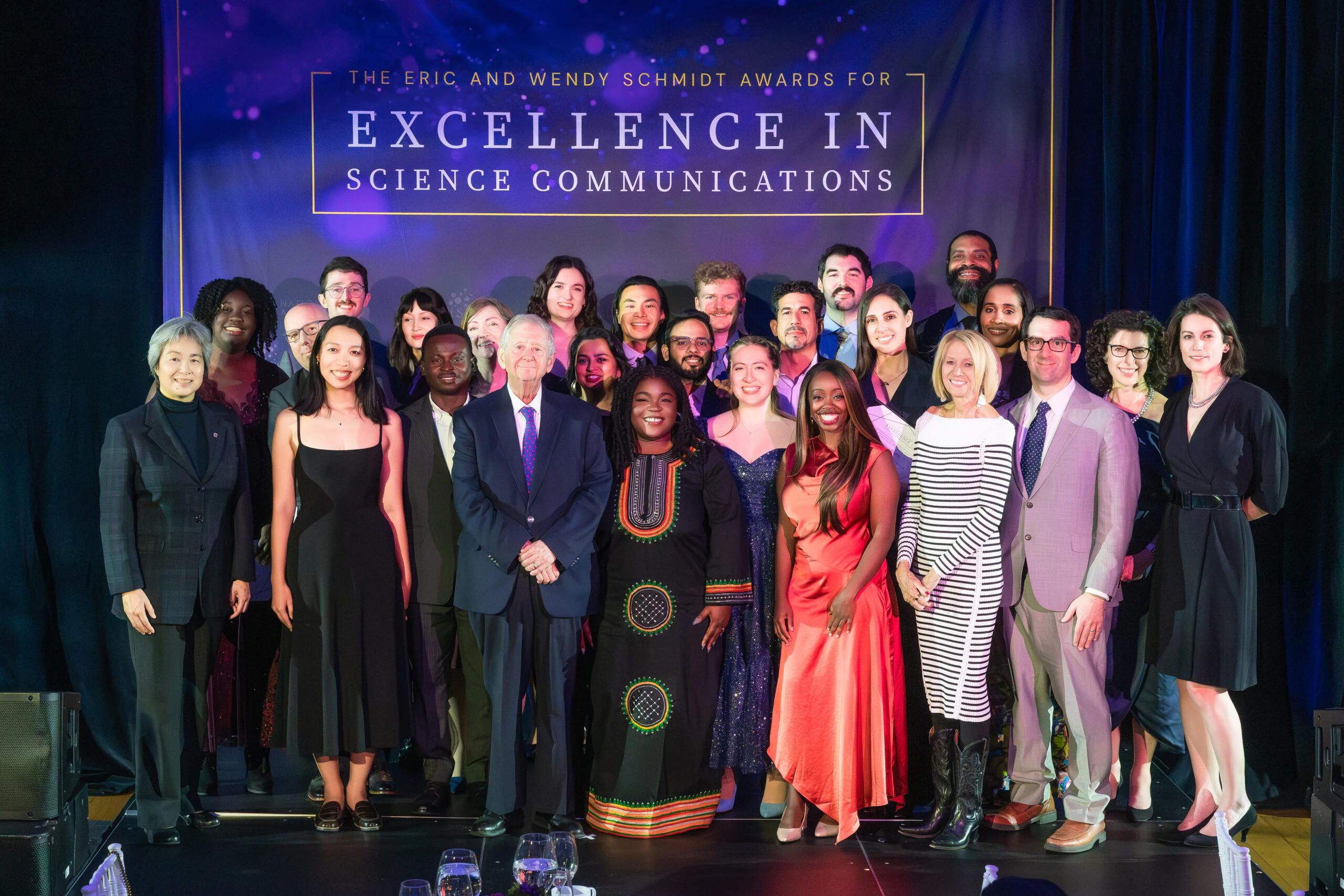
The SciComm Awards
A full list of recipients of the National Academies Eric and Wendy Schmidt Awards for Excellence in Science Communications –– along with an anthology of their work –– can be viewed on the National Academies website.
-
Awards Overview
Each year, the program will award 24 prizes honoring excellence in science communication by research scientists, science journalists, and science communicators. The program will welcome submissions that explore the full spectrum of science — its beauty and societal benefits, its complexities, its shortcomings and controversies.
Leading scientists and experts in all aspects of science communication and journalism – from the academic, non-profit, corporate, and other sectors – review the submissions and select the winners.
Learn more about the Eric and Wendy Schmidt Awards for Excellence in Science Communications, including eligibility and submission guidelines.
-
9 Awards for Research Scientists
These awards will be split into three subcategories in science, engineering, or medical fields: graduate students (who were master’s or Ph.D. candidates), early-career researchers (who were zero-five years post-master’s or Ph.D.), and mid-to-later career researchers (who were six or more years post-master’s or Ph.D.).
-
9 Awards for Science Journalists
These awards will focus on three subcategories in science journalism: community journalists (who reported on local and/or community-specific issues, or the effects of wider issues on a locality or community), early-career journalists (who were under 30 years of age, or had less than five years of professional experience), and freelance journalists (who were self-employed).
-
6 Awards for Science Communicators
These awards will focus on two other subcategories in science communication: independent communicators (who were self-employed) and organizational communicators (who were employed by an organization).
Skill Building
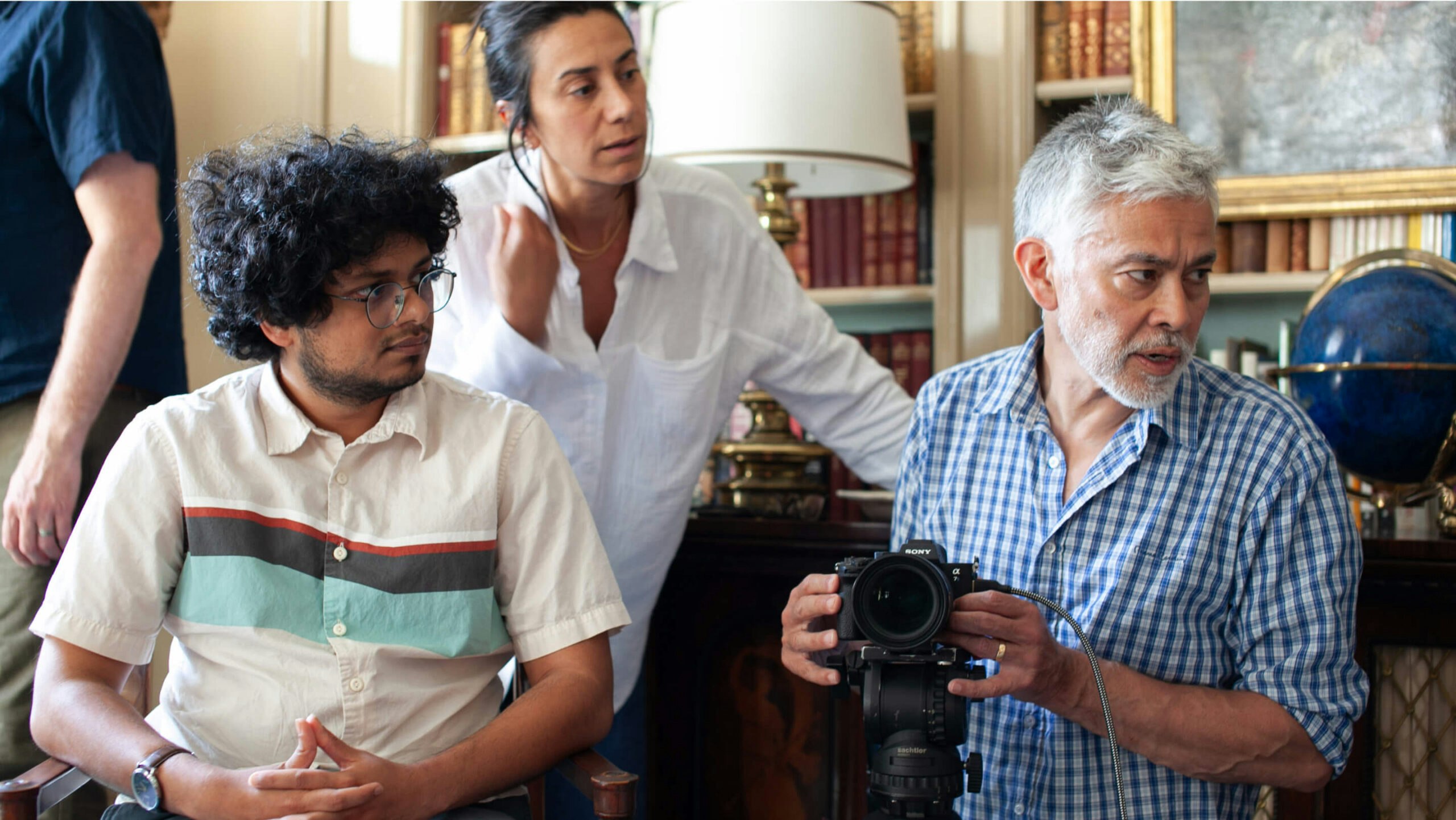
The SciComms Awards program prioritizes providing award winners with access to skill building opportunities that strengthen their ability to share science in clear and engaging ways. Through hands–on workshops in writing, filmmaking, research immersion, and other learning opportunities, as well as mentorship from experienced communicators, the program supports each winner’s growth, helps amplify their voice, and empowers them to reach broader audiences with accuracy, creativity, and impact. Just as importantly, winners join a vibrant community of peers and advisors—a space to exchange ideas, find inspiration, and build lasting connections that can elevate their work and expand their reach far beyond the program itself.
Community Partners




Catalyst Grants
The Catalyst Grants provide mini-grants (typically up to $6,000, with up to $15,000 for collaborative projects) to help Scicomms Awardees expand their impact through pilot projects, new collaborations, and efforts to address institutional barriers to science communication. Designed to seed exploratory and proof-of-concept work, the grants are offered in close partnership with the UC Santa Cruz Science Communication Program, which helps connect awardees with collaborators, mentors, and emerging talent. Through this collaboration, awardees gain access to a broader science communication network to strengthen and scale their ideas.
-
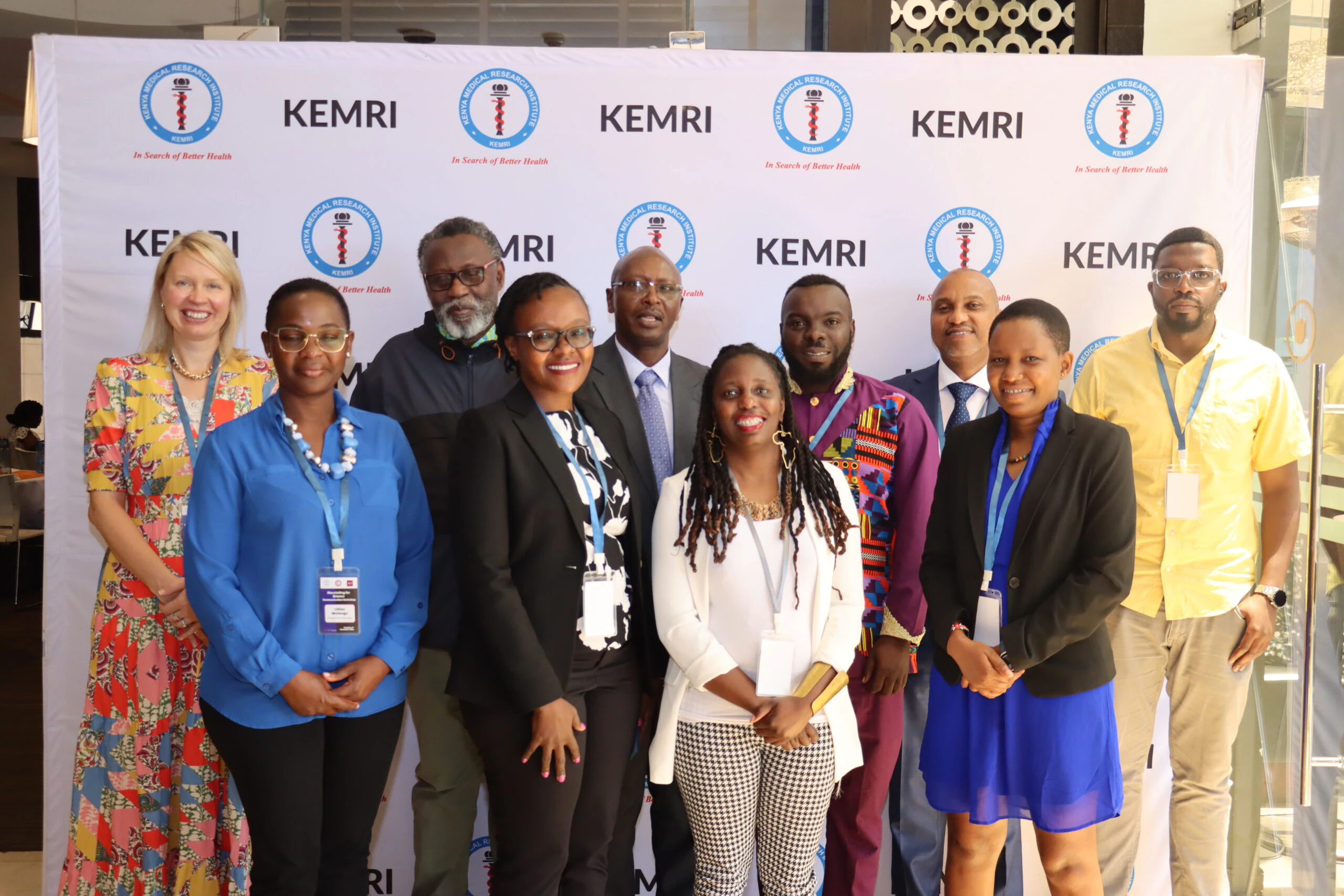
Storytelling for Science Communication Workshop for Journalists and Scientists
-

Burned
-

Neuroscience & Social Media Intern
-

Your Local Epidemiologist Writer and Content Creator
-

Travel and Research for Stories on Stigmatized Diseases
-

Mapping America's Soil Lead
-

Expanding Atomic Frontier
-
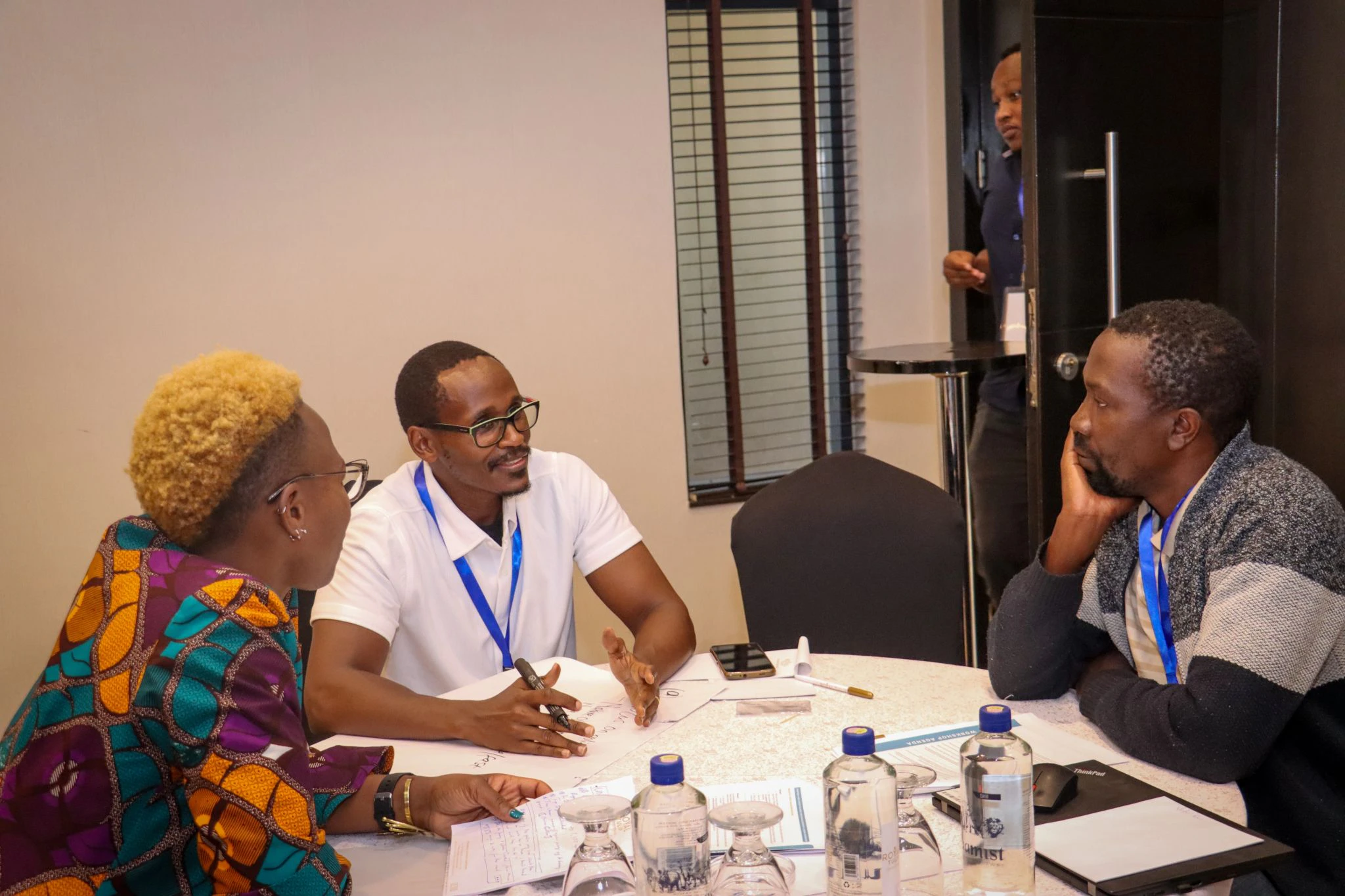
Enhancing Science Journalism in Kenya: A Pilot Collaboration between Journalists and Early Career Researchers
-

What I Left Out Podcast
-
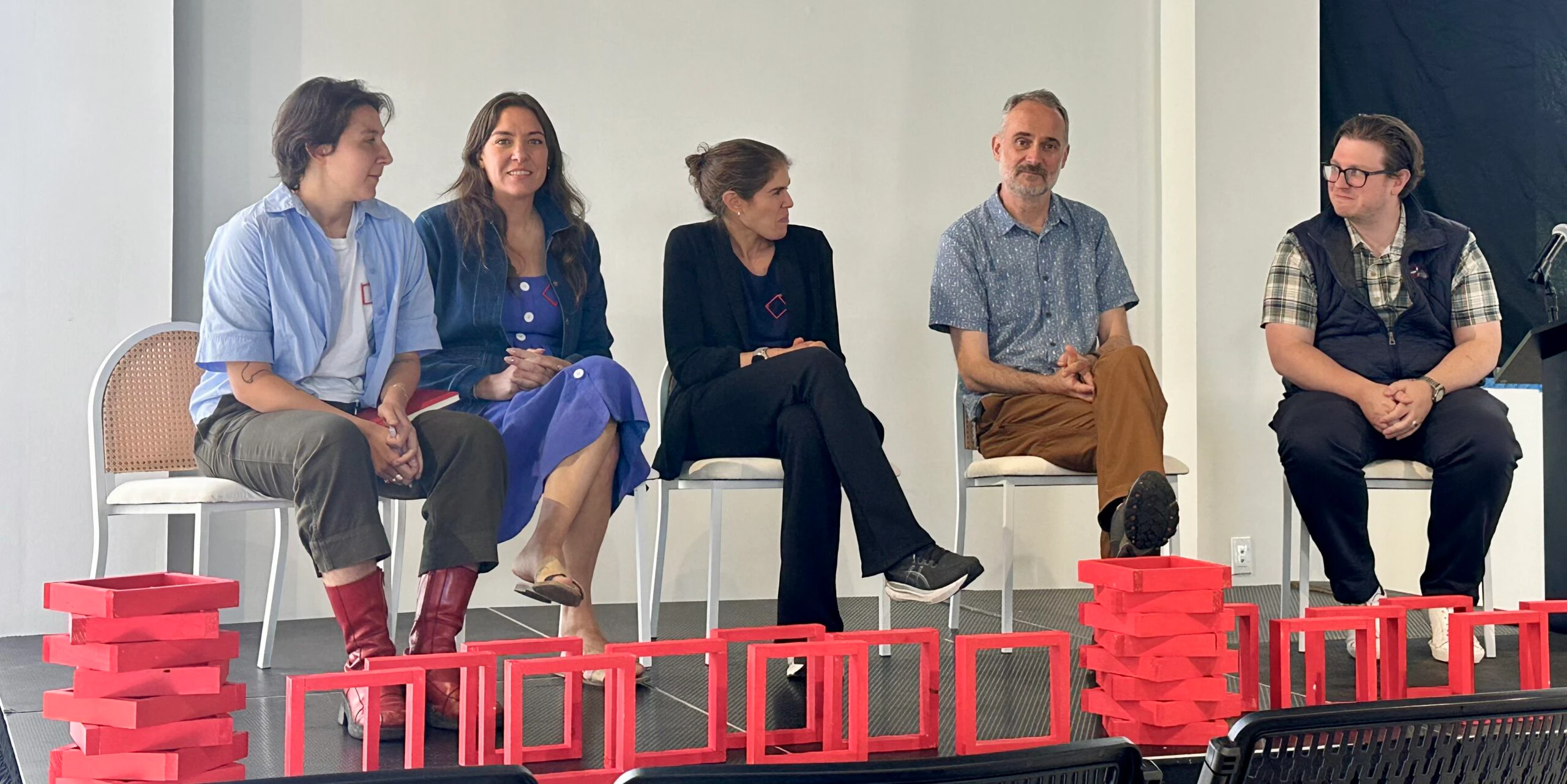
Film Screening Brings Power Of Observation To Climate Week NYC
-
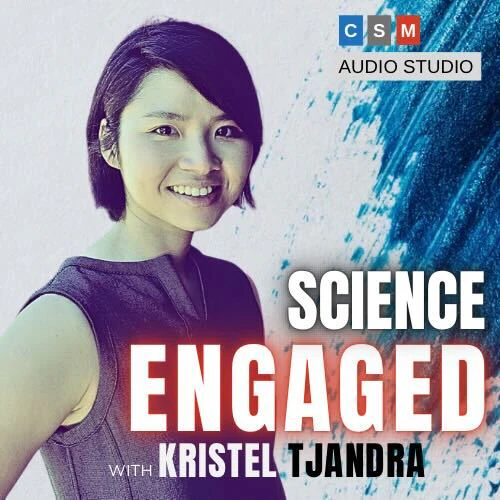
Science Engaged
-

Bringing Maternal Ecodistress Into the Climate Conversation: A Media Toolkit for Science Communicators
-

Build Your Own Climate-Finance GPT
-
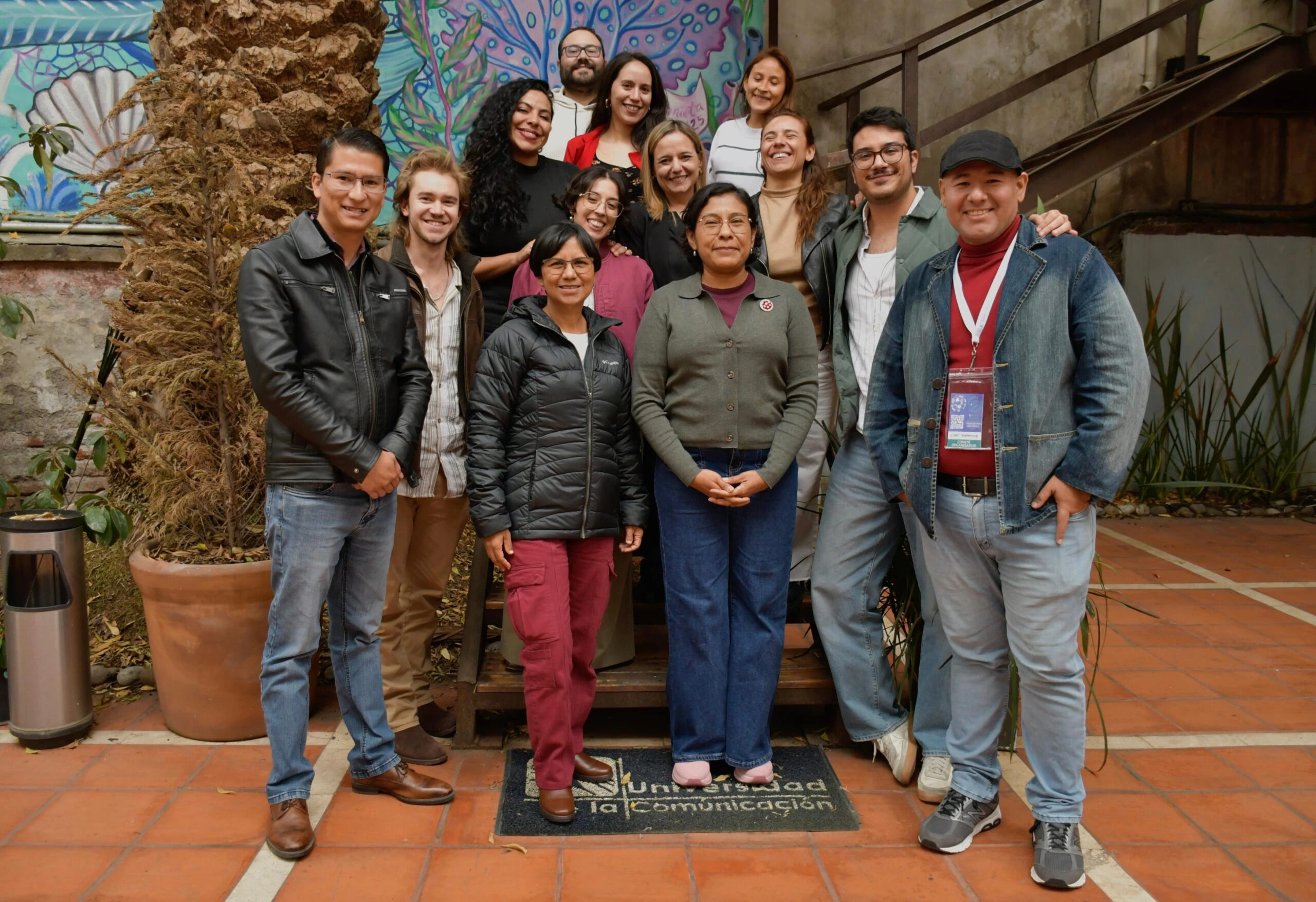
Strengthening Science Journalism in Latin America: Challenges and opportunities
-

An Evidence-Based Workshop to Reduce Barriers to Academy Engagement in Science Communication and Outreach
Additional SciComm Initiatives
-
CASW Connector
The Council for the Advancement of Science Writing is a nonprofit organization committed to improving the quantity and quality of science news reaching the public. Led by a board of directors composed of senior journalists and others committed to excellence in the communication of science, CASW develops and funds programs to help reporters and writers produce accurate and informative stories about developments in science, technology, medicine and the environment. Sixty years after its founding in 1959, CASW adopted a new focus on the quality, diversity and sustainability of science journalism, in response to the challenges facing the field in the 21st century.
Learn More
-
Science Friday
Covering the outer reaches of space to the tiniest microbes in our bodies, Science Friday is the source for entertaining and educational stories about science, technology, and other cool stuff.
Learn More
-
Transom Story Lab
Transom helps people tell powerful true stories in sound. Its science communication work gives scientists the tools to tell clear, compelling stories about their research, their lives, and the curiosity, uncertainty, and vulnerability that shape both, building connection and trust.
Learn More
“From cataloging changes in the Earth’s atmosphere to sequencing genomes of new viruses, scientific knowledge has never been vaster, and effective communication about science has never been more important”
Wendy Schmidt
Co-founder, Schmidt Sciences