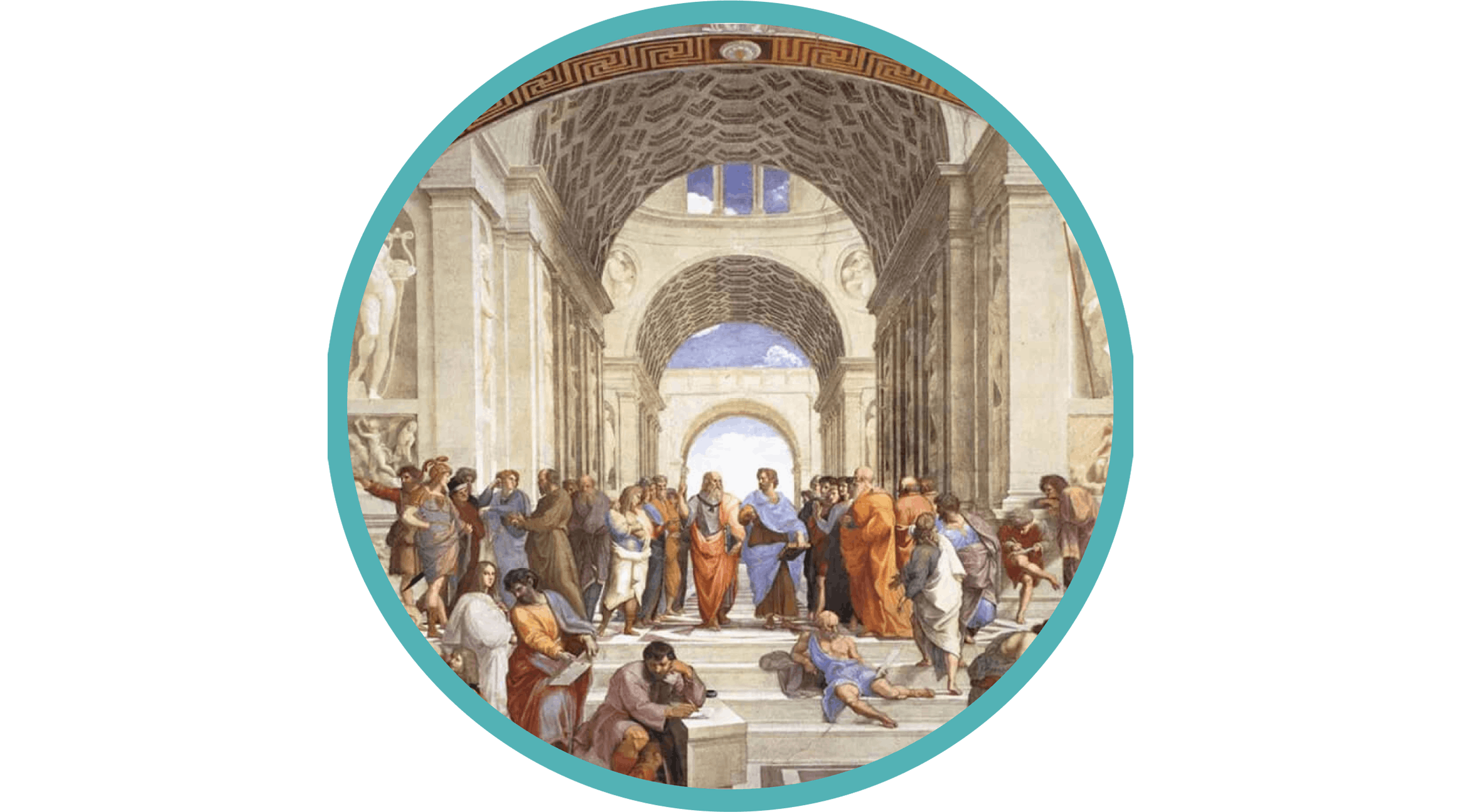
Bridging the gap between humanities scholarship and AI capabilities
Current AI models struggle with multilingual contexts, multimodal datasets, and the nuances of historical and cultural diversity, hindering their application in humanities disciplines. HAVI aims to address these limitations by fostering interdisciplinary collaborations between AI and humanities researchers, focused on developing and applying new AI techniques to accelerate humanities scholarship.
The Challenge
HAVI aims to address challenges in two core areas: humanities scholarship and AI development.
-
For Humanities Scholarship
Humanistic research is challenging, demanding significant time, energy, and resources to analyze extensive sources for insightful conclusions. However, AI tools present limitations for humanities researchers, as the technology often prioritizes uniformity, often erasing the cultural, material, and perceptual differences that are essential to humanistic research. We believe that combining traditional methods with AI and data-driven approaches can greatly expand access to scholarly resources and enable more rigorous, data-informed research outcomes in the humanities.
-
For AI Development
AI models face challenges in multilingual and multimodal contexts common in the humanities. Current AI also struggles with the diverse nature of historical situations, cultural viewpoints, languages, aesthetics, and ambiguities prevalent in humanities scholarship. Conversely, humanities disciplines offer extensive knowledge in areas where AI is weak, such as complex human reasoning, narrative style, metaphorical understanding, and evaluating excellence in ambiguous fields like art and literature. We believe that integrating this humanistic knowledge can significantly advance and improve AI technology.
Program Goals
-
Catalyze Breakthrough Humanities Research Using AI Tools
-
Advance AI Technologies Through Integration Of Humanistic Insights
-
Enable Deep And Equitable Interdisciplinary Collaborations
-
Foster The Development Of A Global And Diverse Research Community
Featured Projects
These HAVI projects will advance AI in humanities research through projects that range from modeling how camera movement and soundtracks shape narrative in film, to tracing how changes in trade routes and technology affect art and literature, to identifying buried archaeological sites and reading illegible, torn, shorthand manuscripts. Research abstracts can be read by clicking into the project tiles below.
-
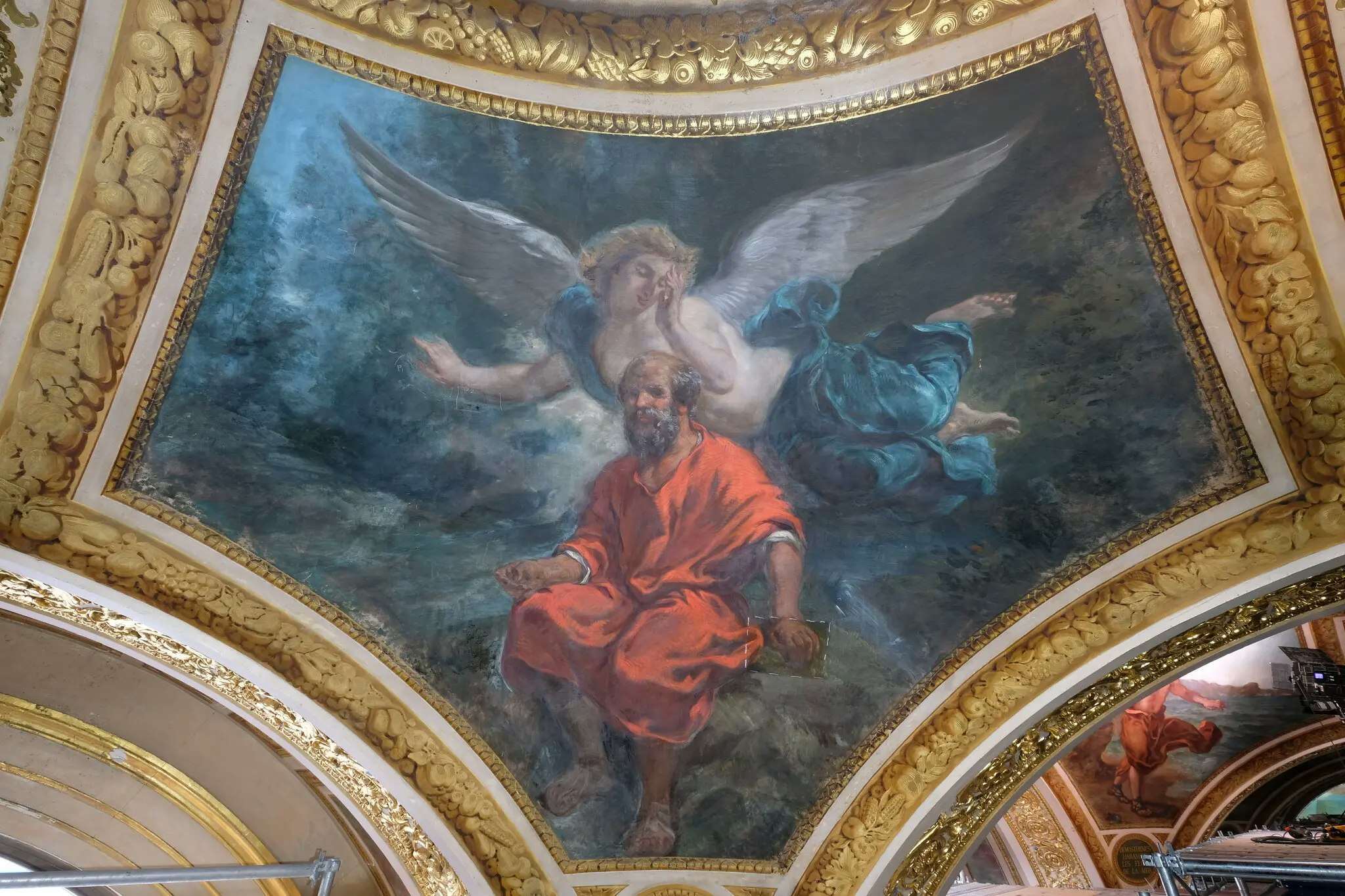
Digital Delacroix at the Sorbonne Center for Artificial Intelligence
-
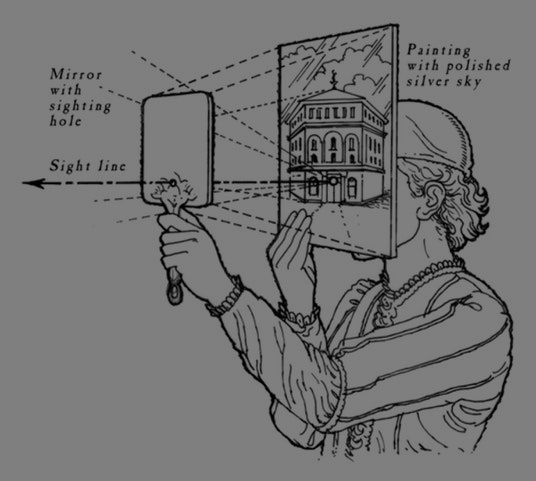
Artificial Intelligence for Cultural and Historical Reasoning
-
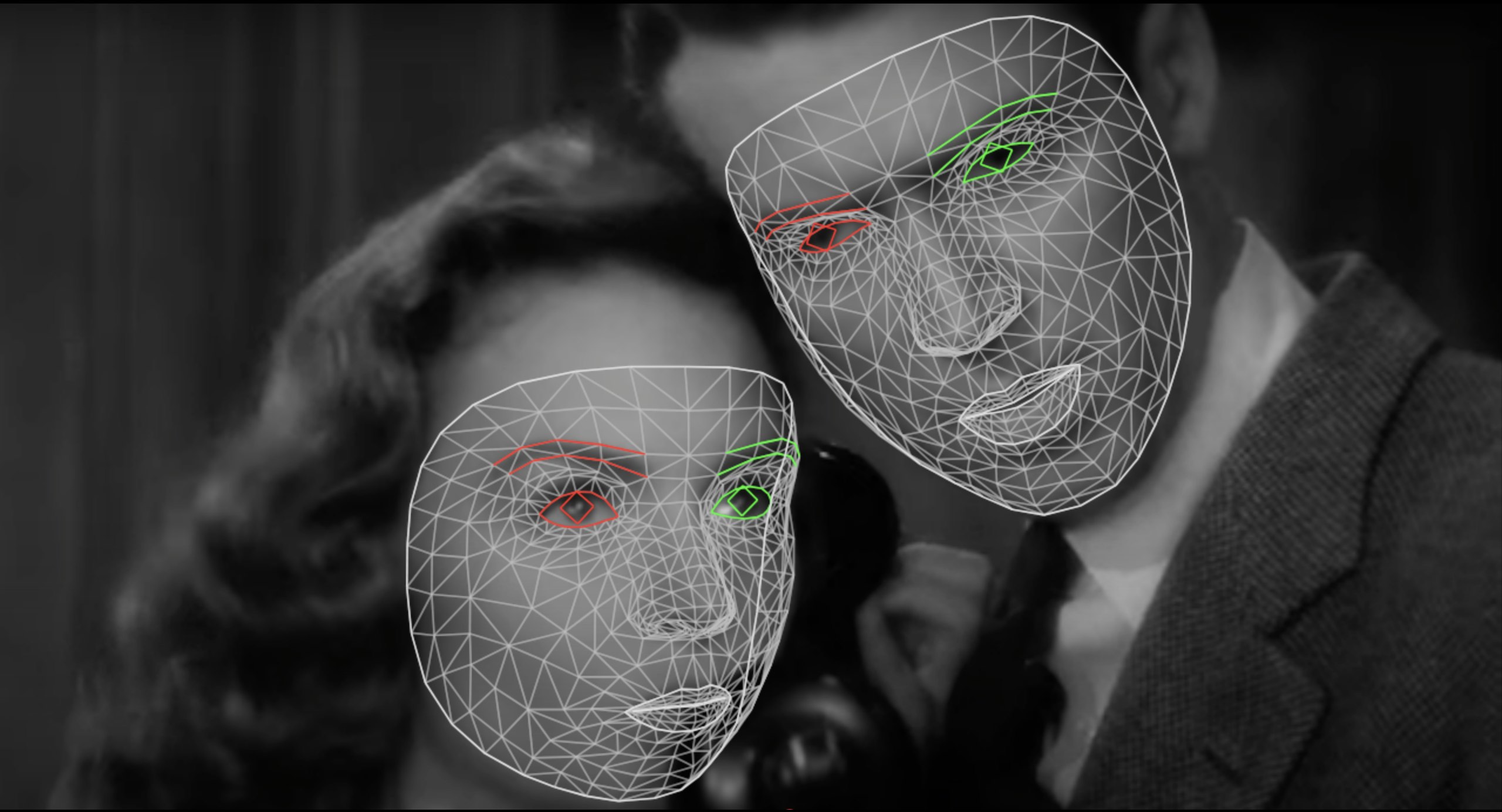
Bridging Large-Scale Computational Analysis and the Close Viewing of Film and Television
-
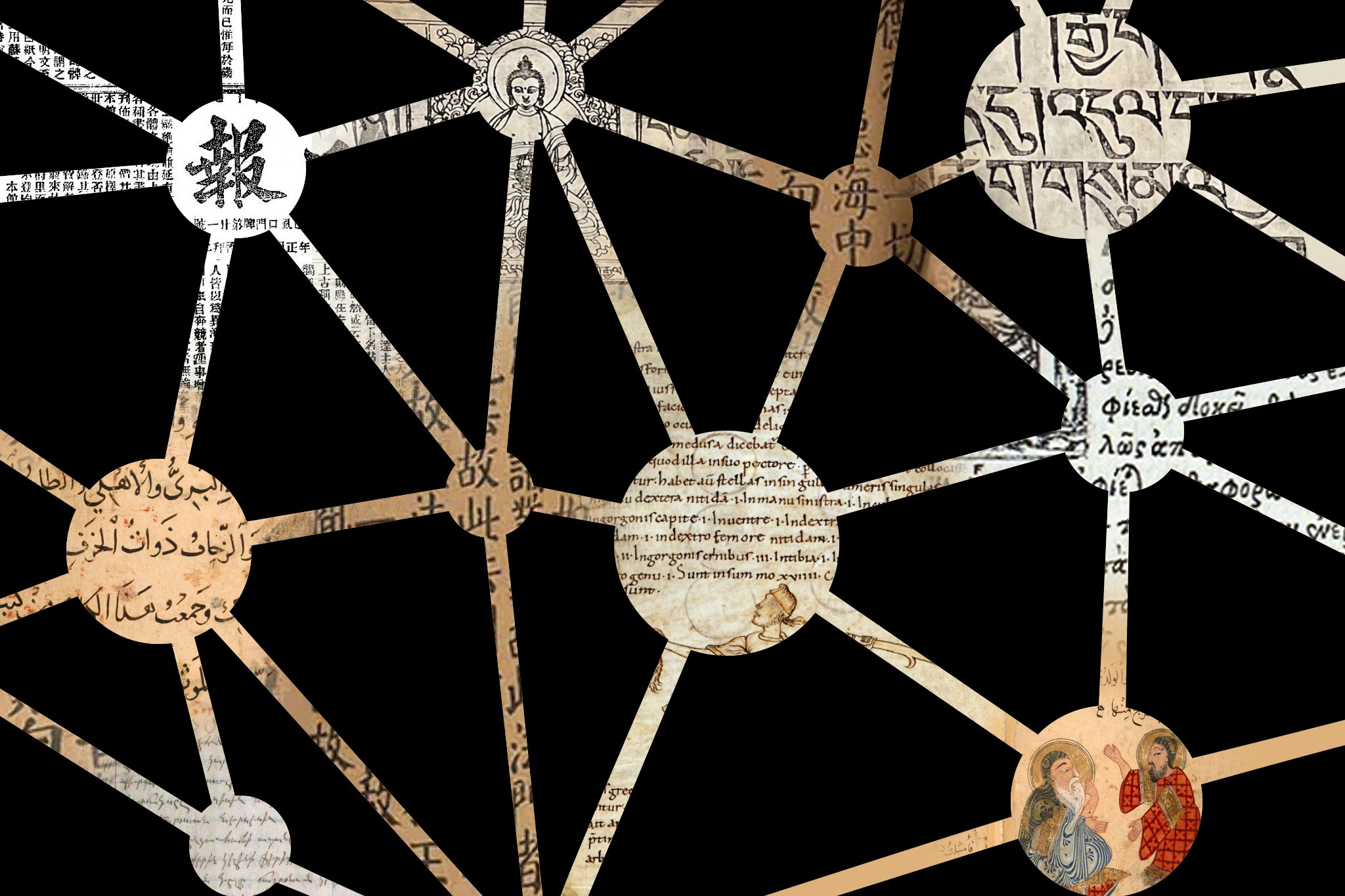
Augmenting Retrieval for Eurasian Languages
-
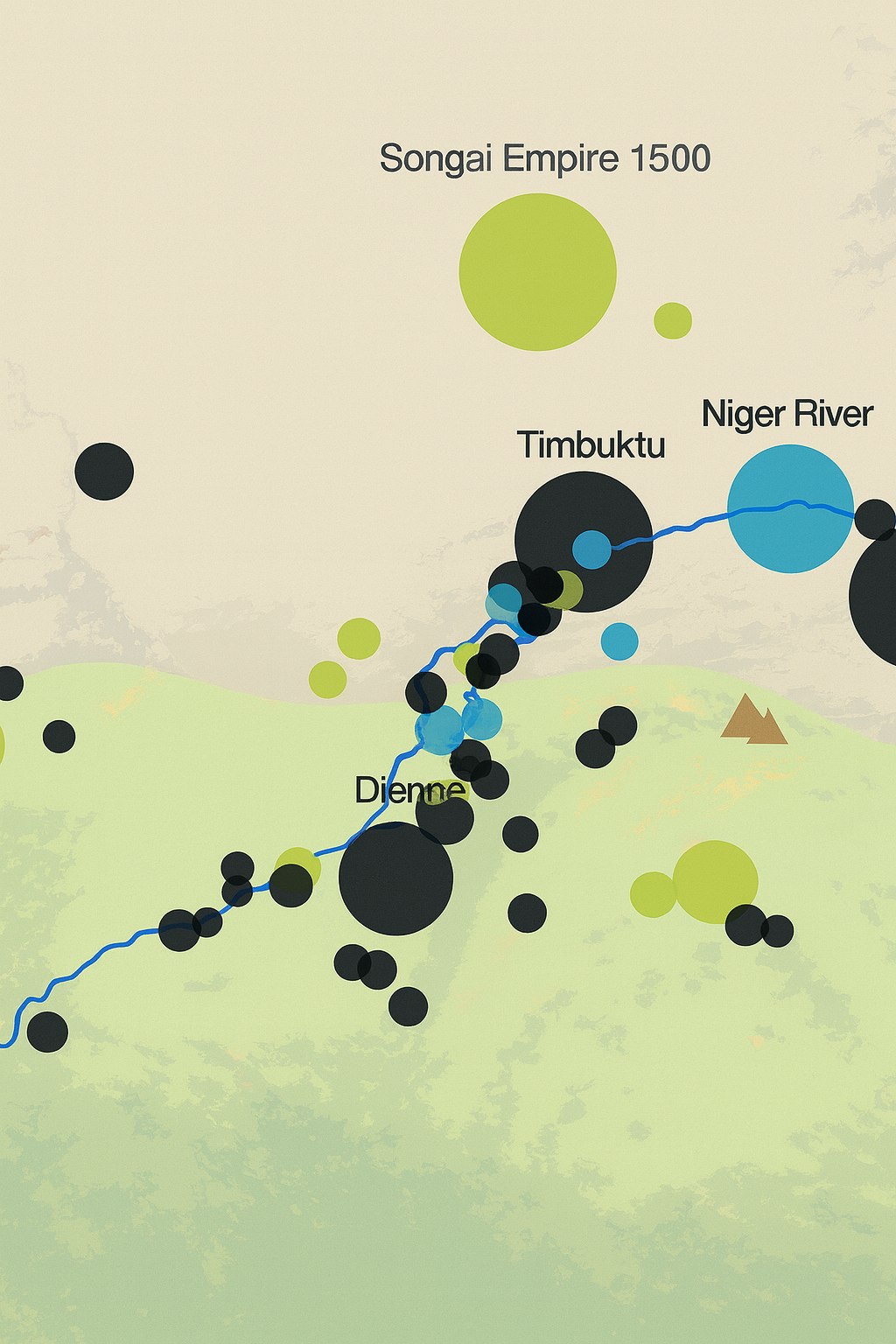
Beyond Translation: Opening up the Human Record
-
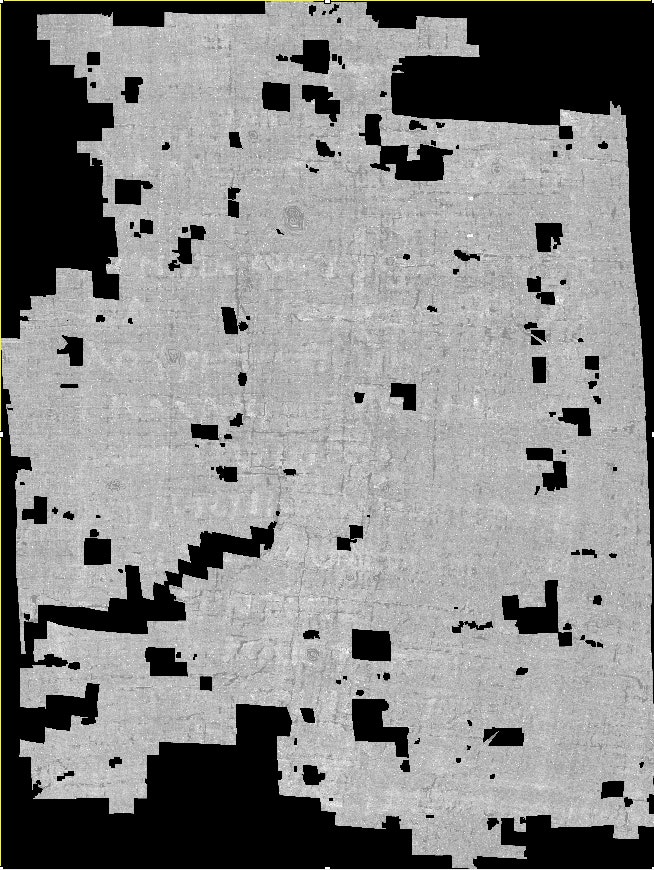
Meeting the Vesuvius Challenge
-
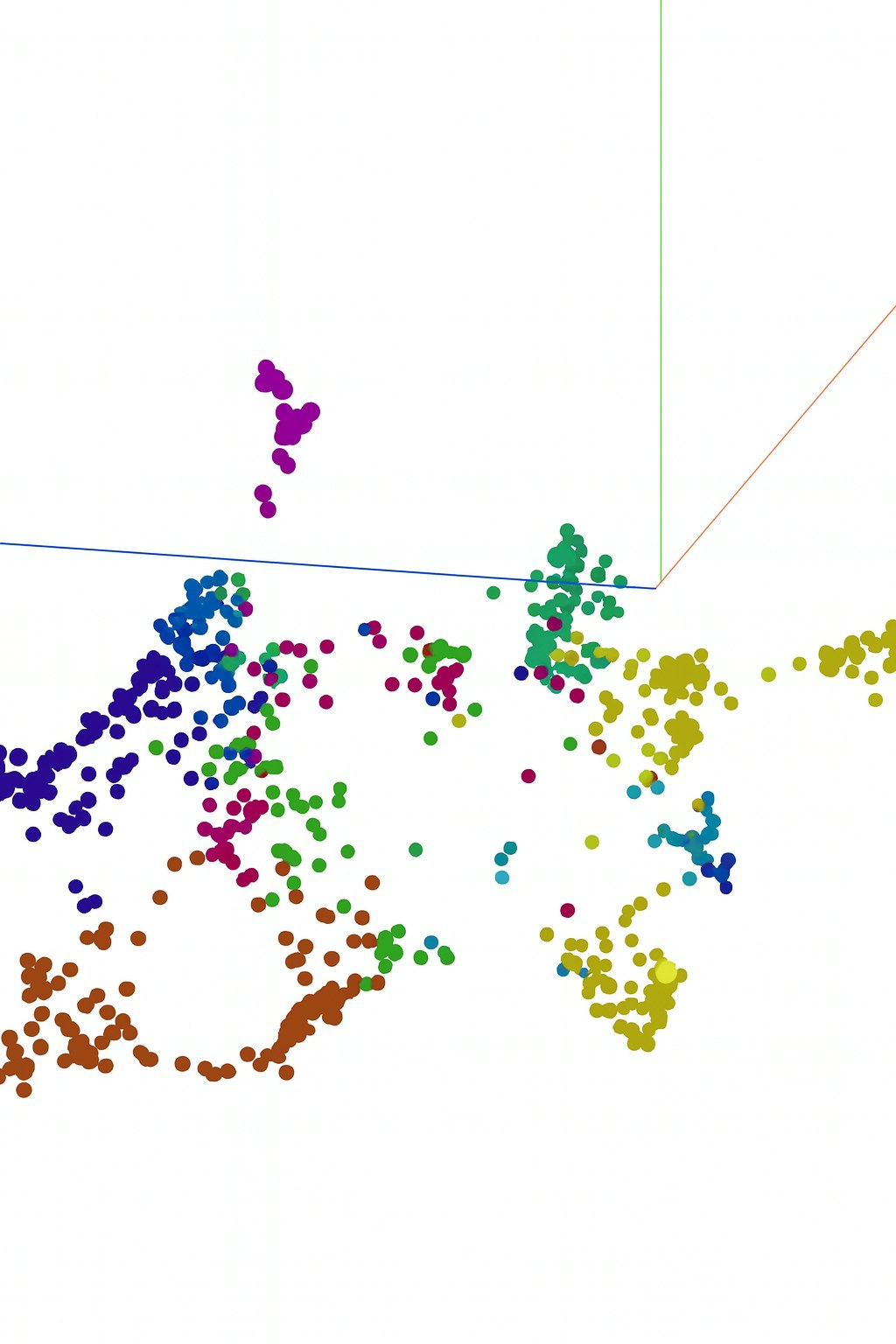
Playing Heaven: Remapping Early Modern Neo-Confucian Worlds with AI
-

MakingAI: AI-Driven Integration of ‘Messy’ Data in Technical Art History
-
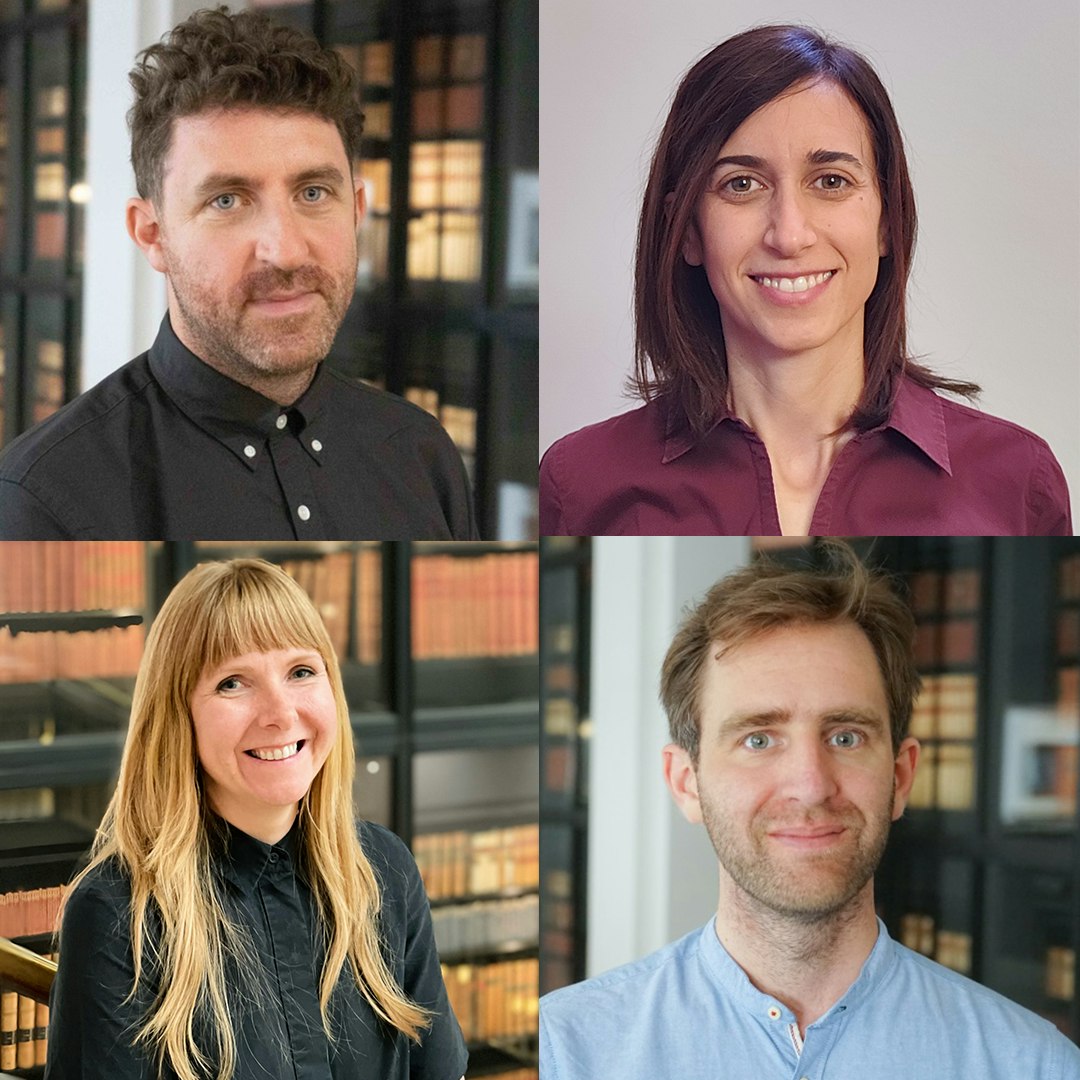
Text Machine: Computing Literary Innovation
-
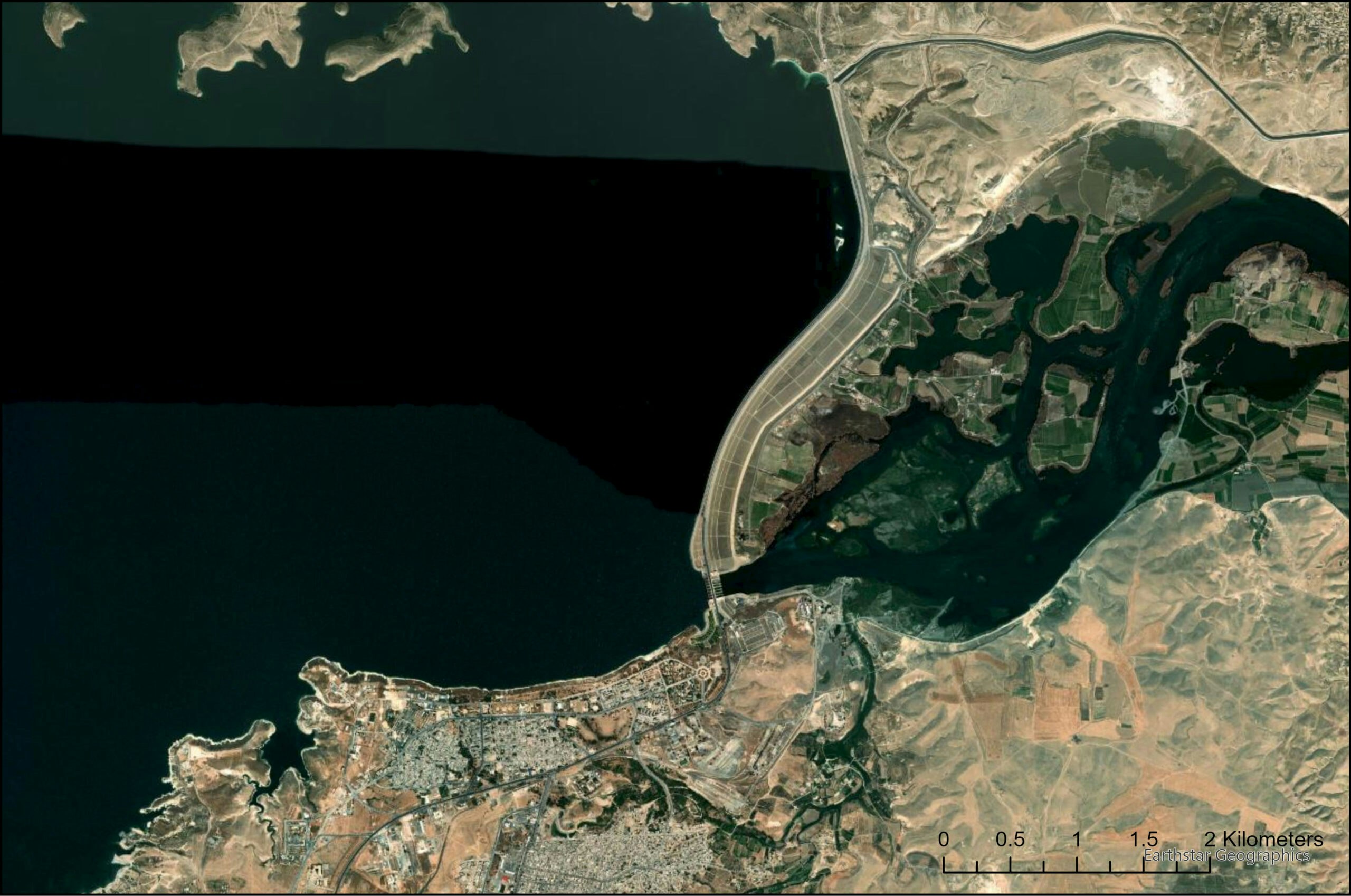
Discovering Global Archaeological Heritage using AI and Remote Sensing
-
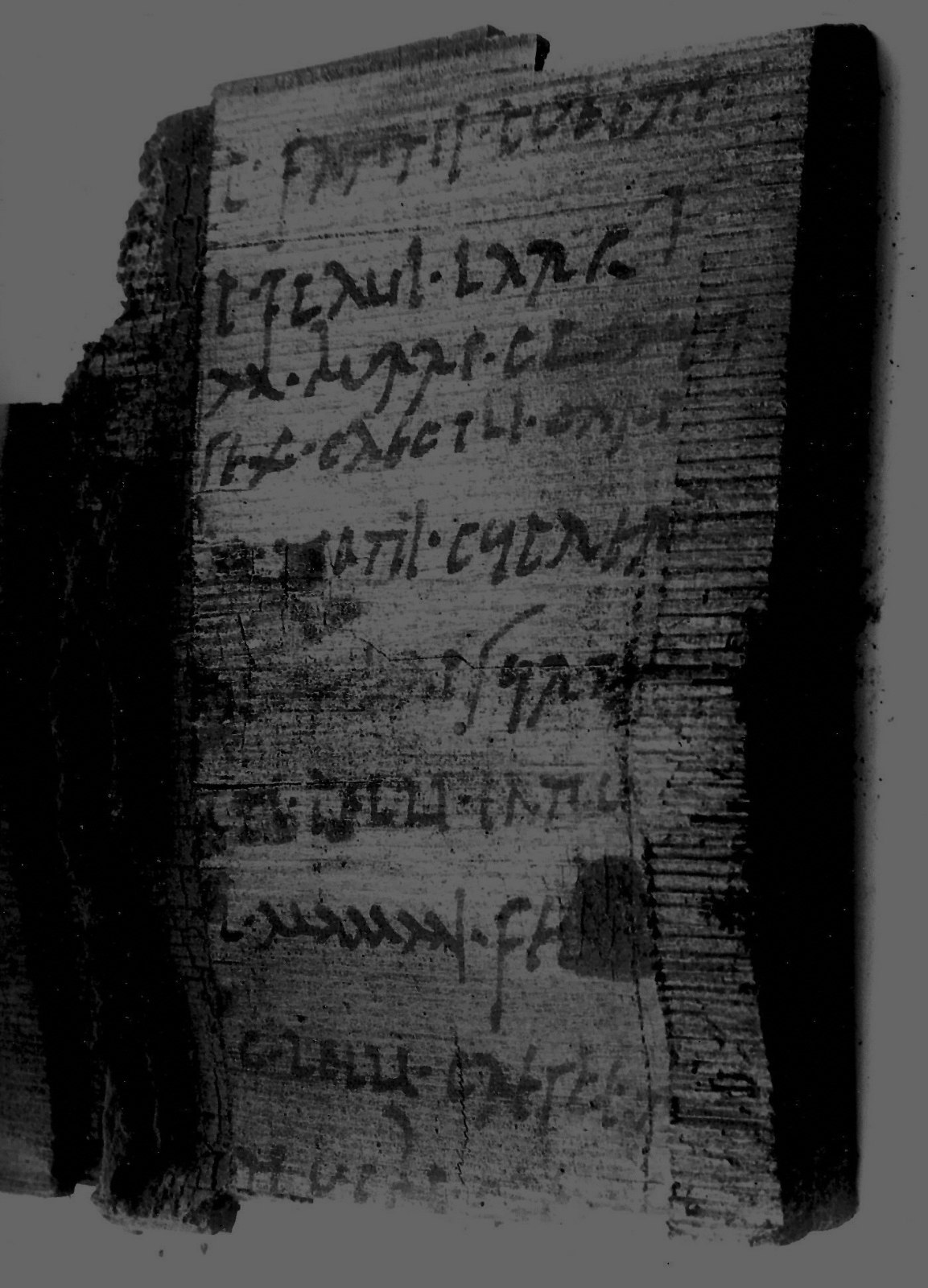
AI Models with Reinforcement Learning to Edit Text in Damaged Manuscripts
-
Musica Subtilior
-
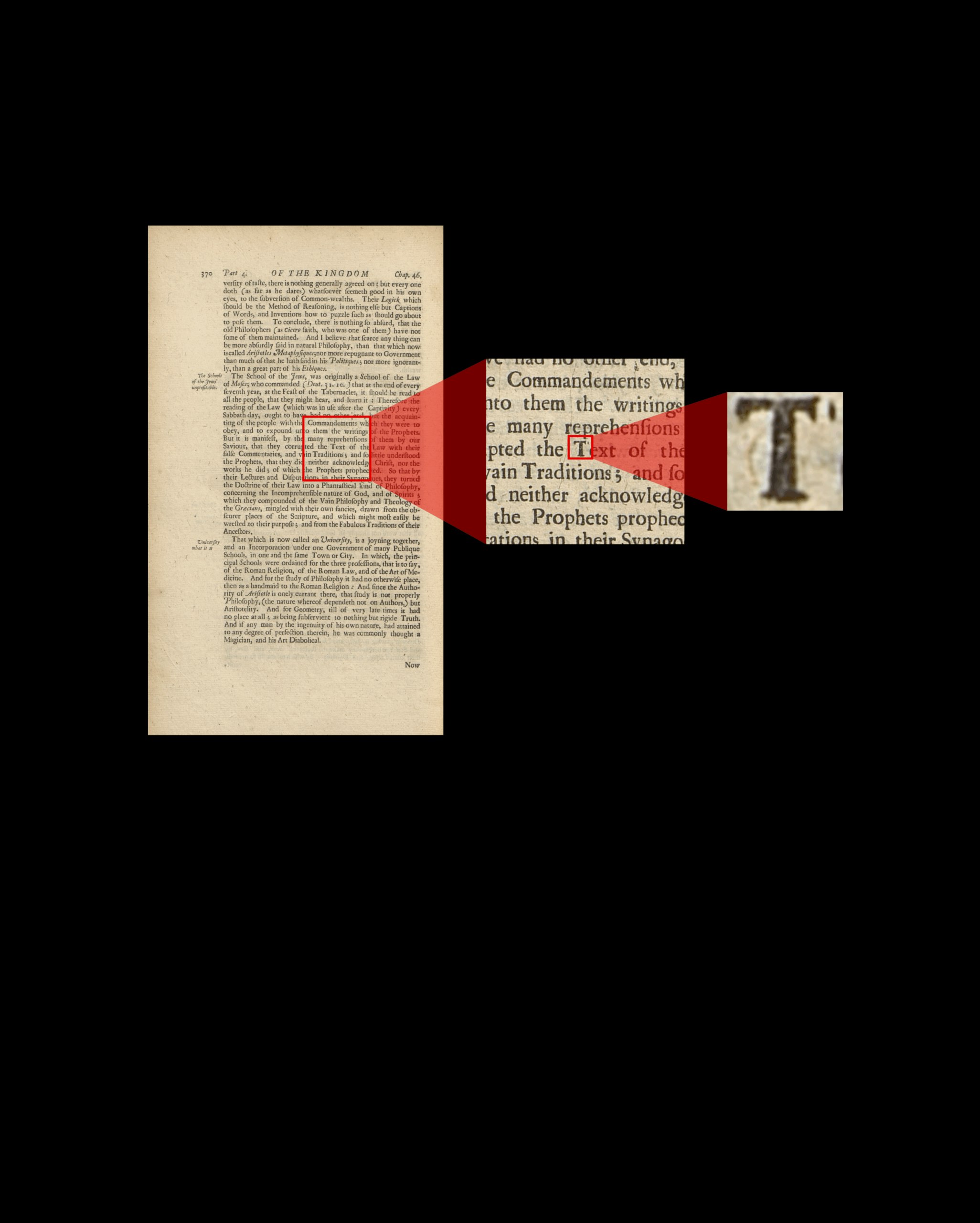
Print & Probability: Using AI to Identify Printers of Clandestine Letterpress Books
-
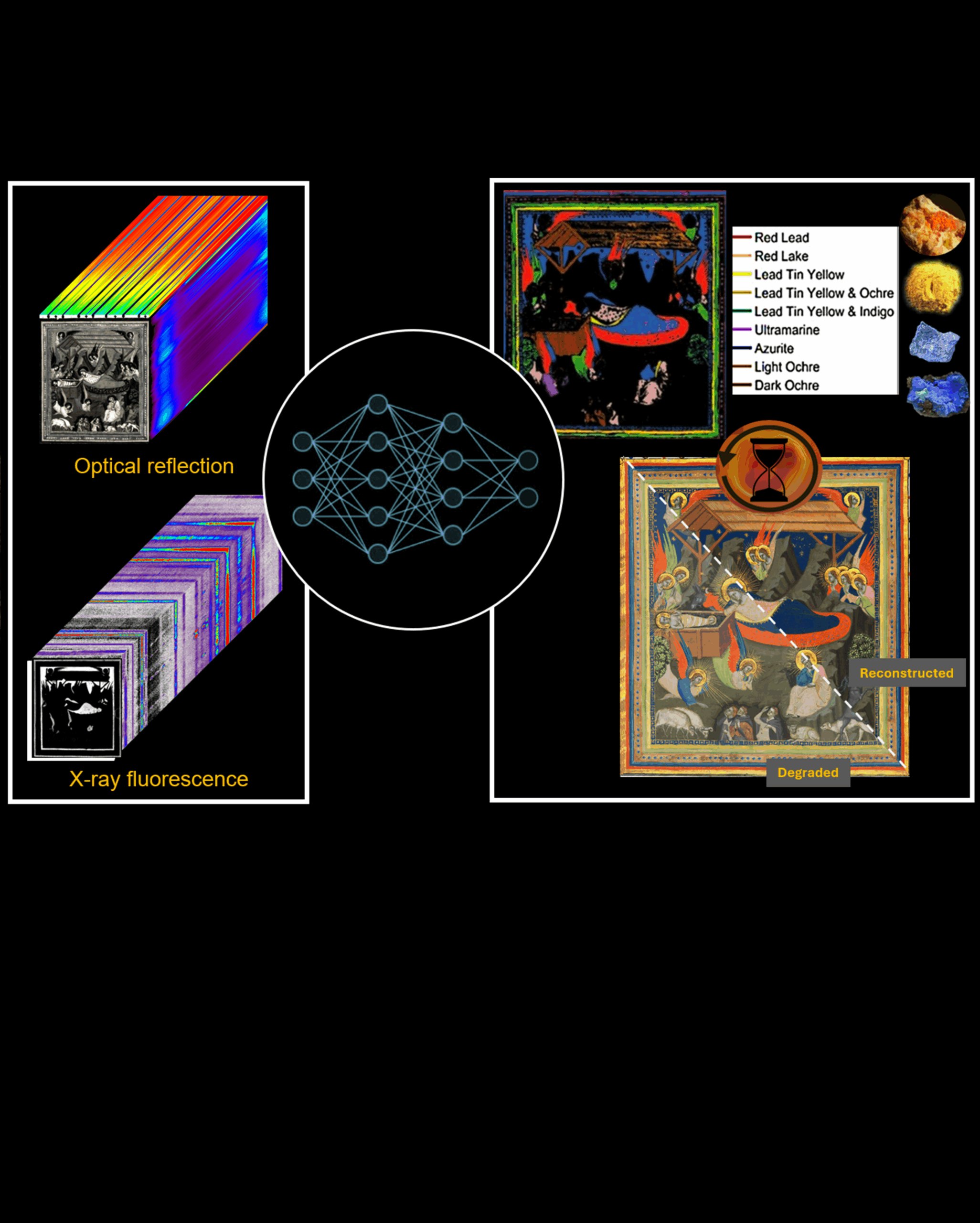
From Molecules to Masterpieces
-
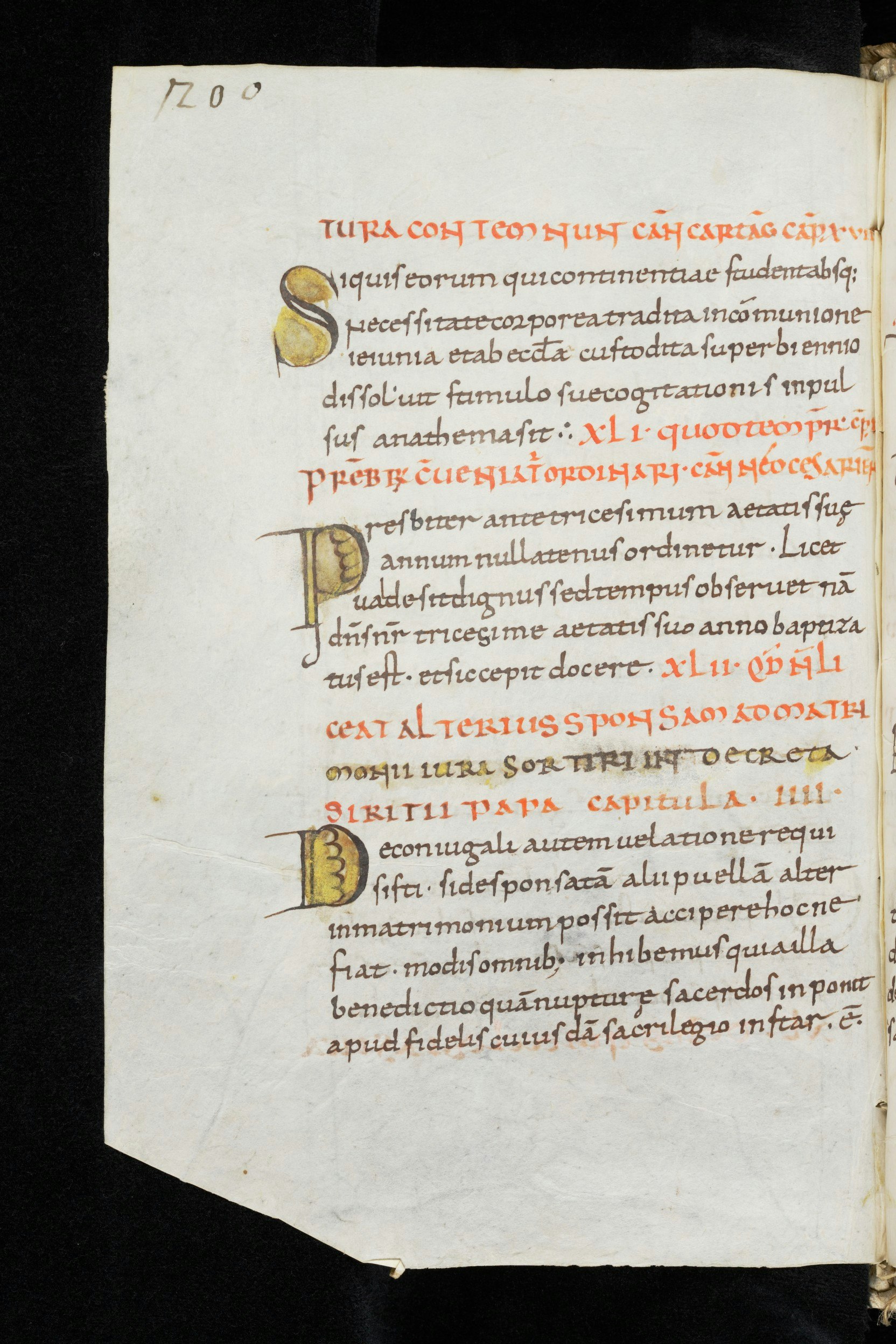
Medieval Judicial Opinions
-
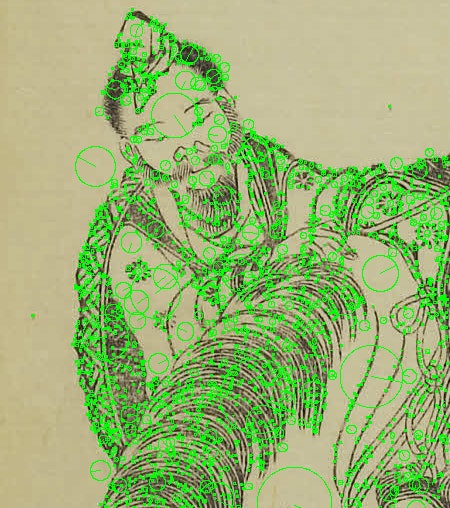
Envisioning Print with AI Computer Vision
-
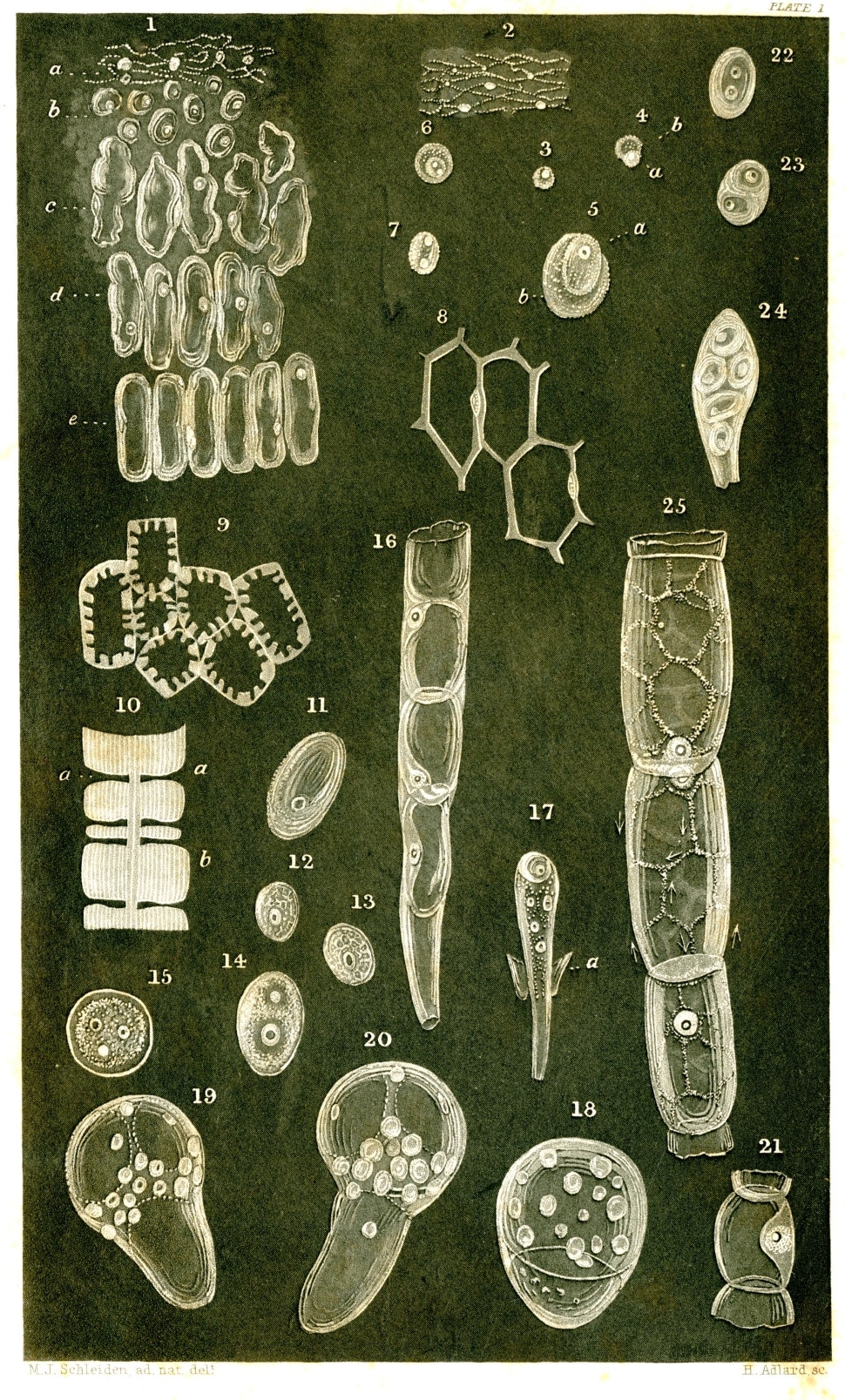
Decoding the History of Science With Contextual Image Understanding
-
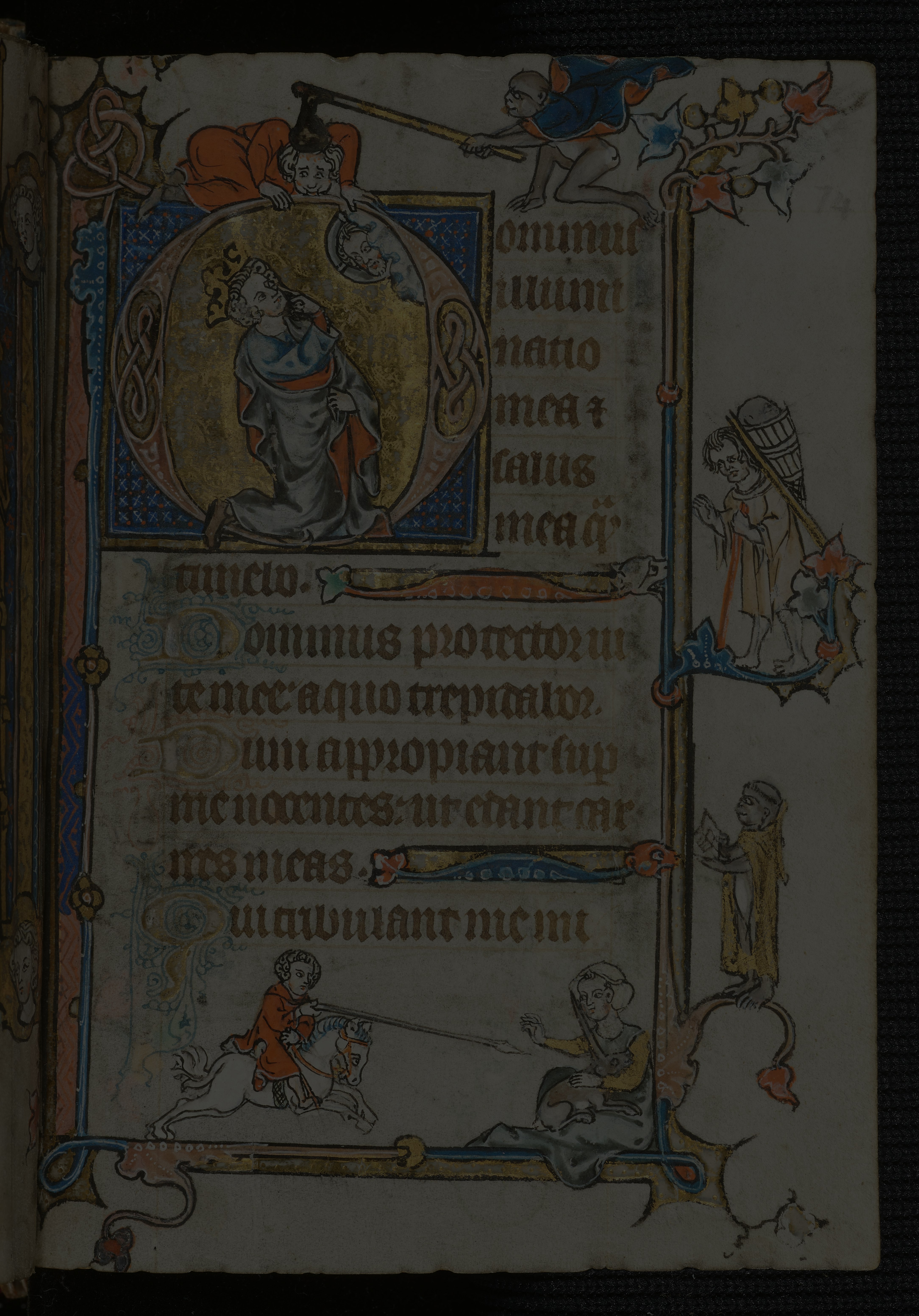
Seeing Through Style: Multimodal Advances for Iconographic Analysis
-
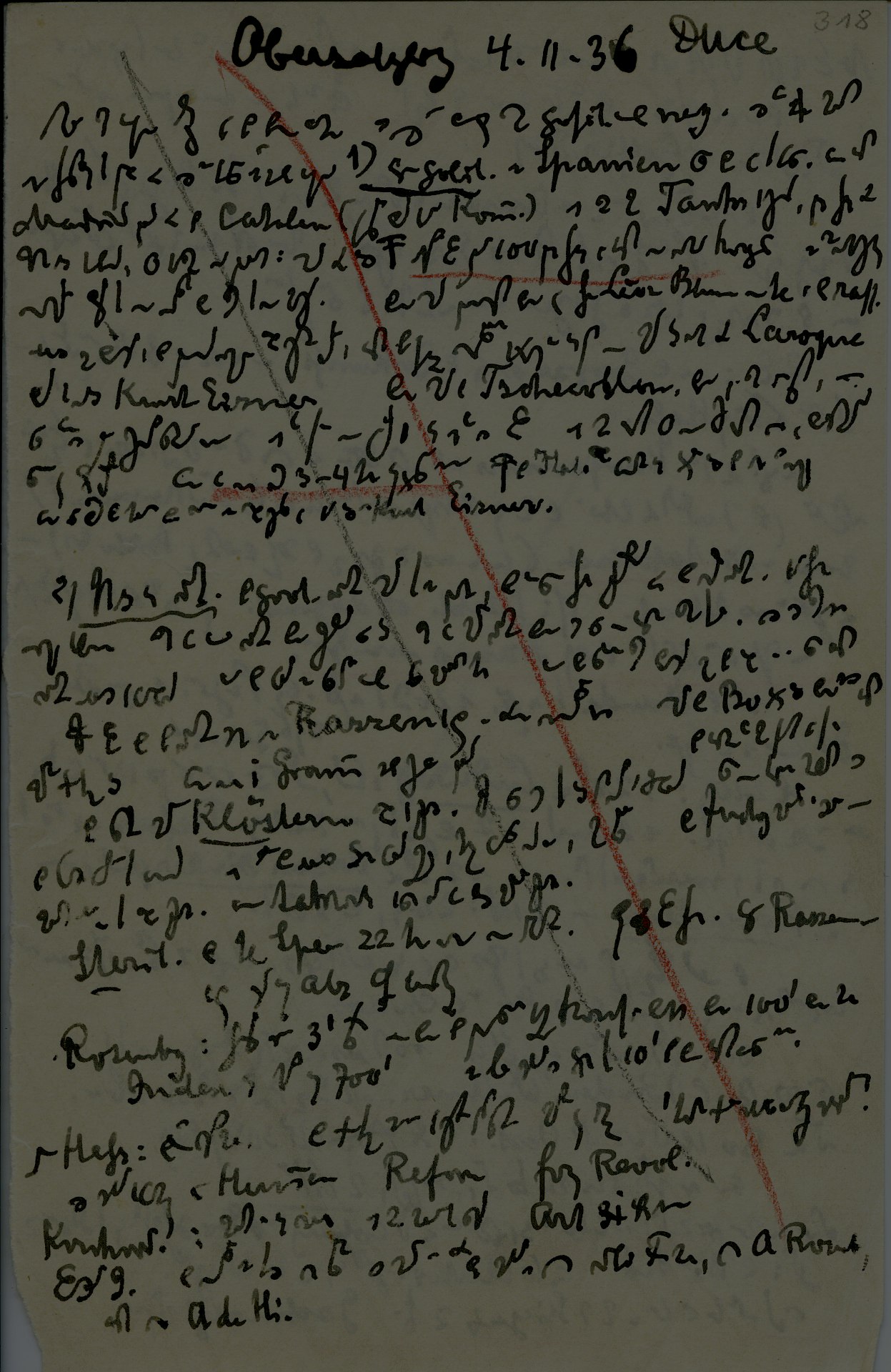
Decoding the Lost Art of Shorthand
-
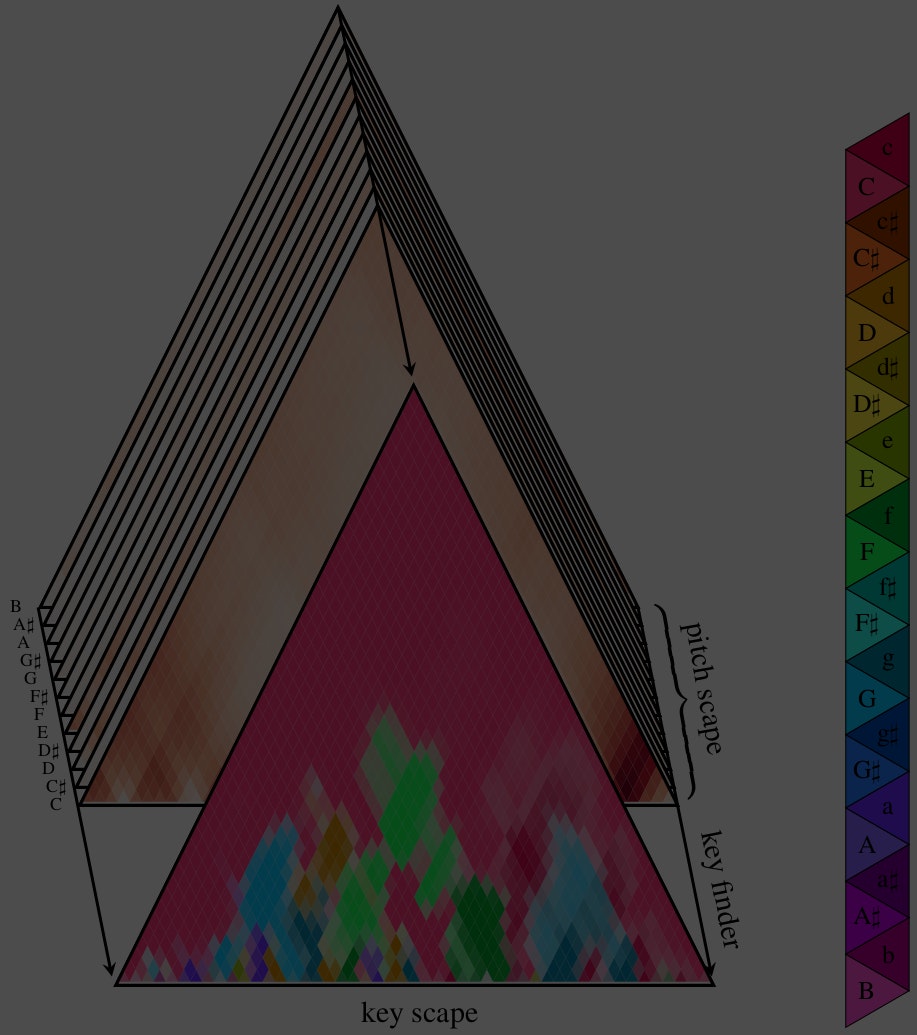
An ML Toolkit to Find Hierarchical Structure in Multi-Modal/Lingual Data
-
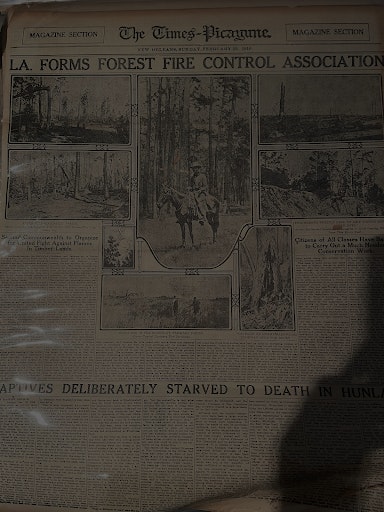
Archival Intelligence: Can AI Rescue Endangered Archives
-
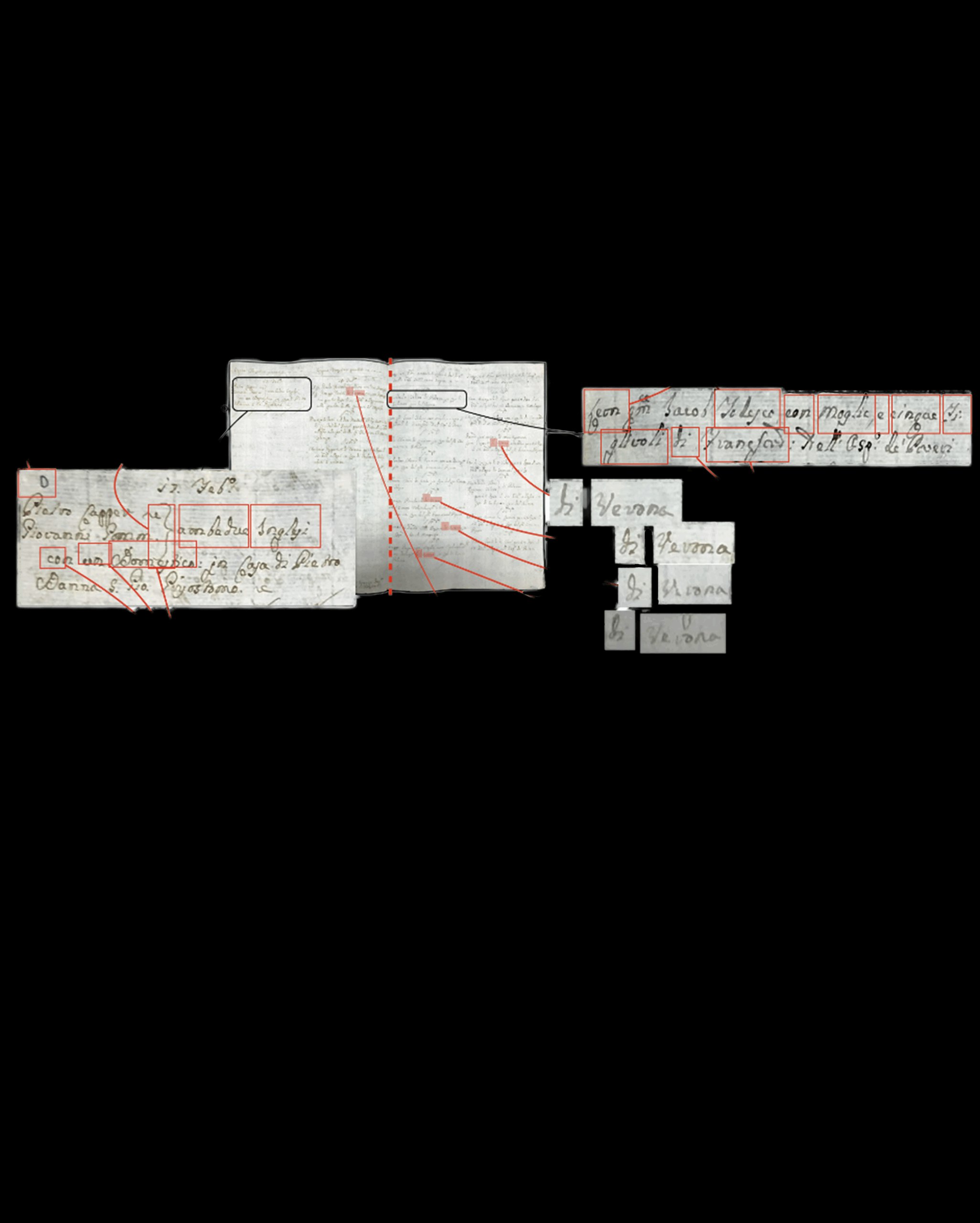
SETS: A Set-Based Architecture for Knowledge Structures
-
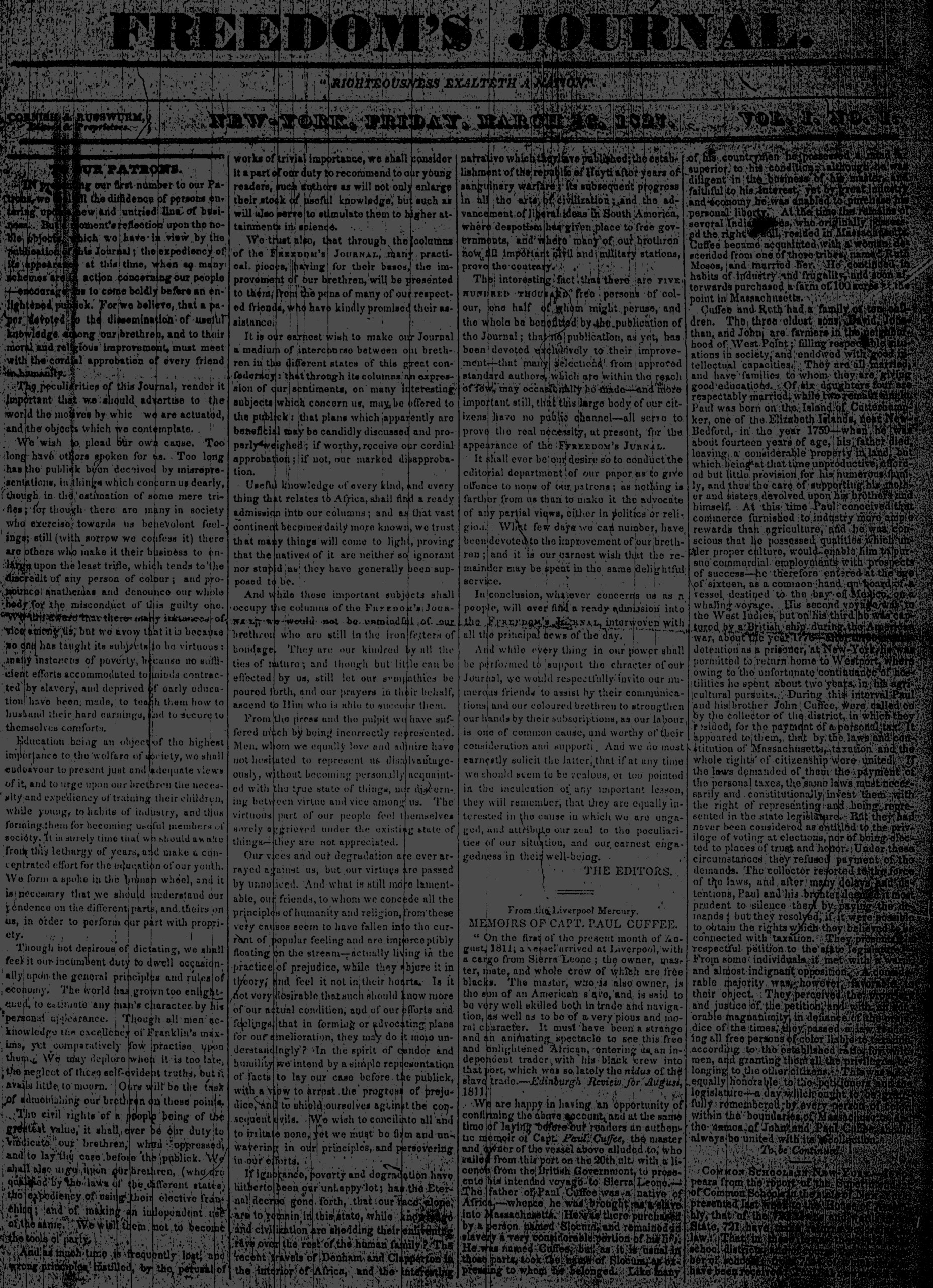
Communities in the Loop: AI for Cultures & Contexts in Multimodal Archives
-
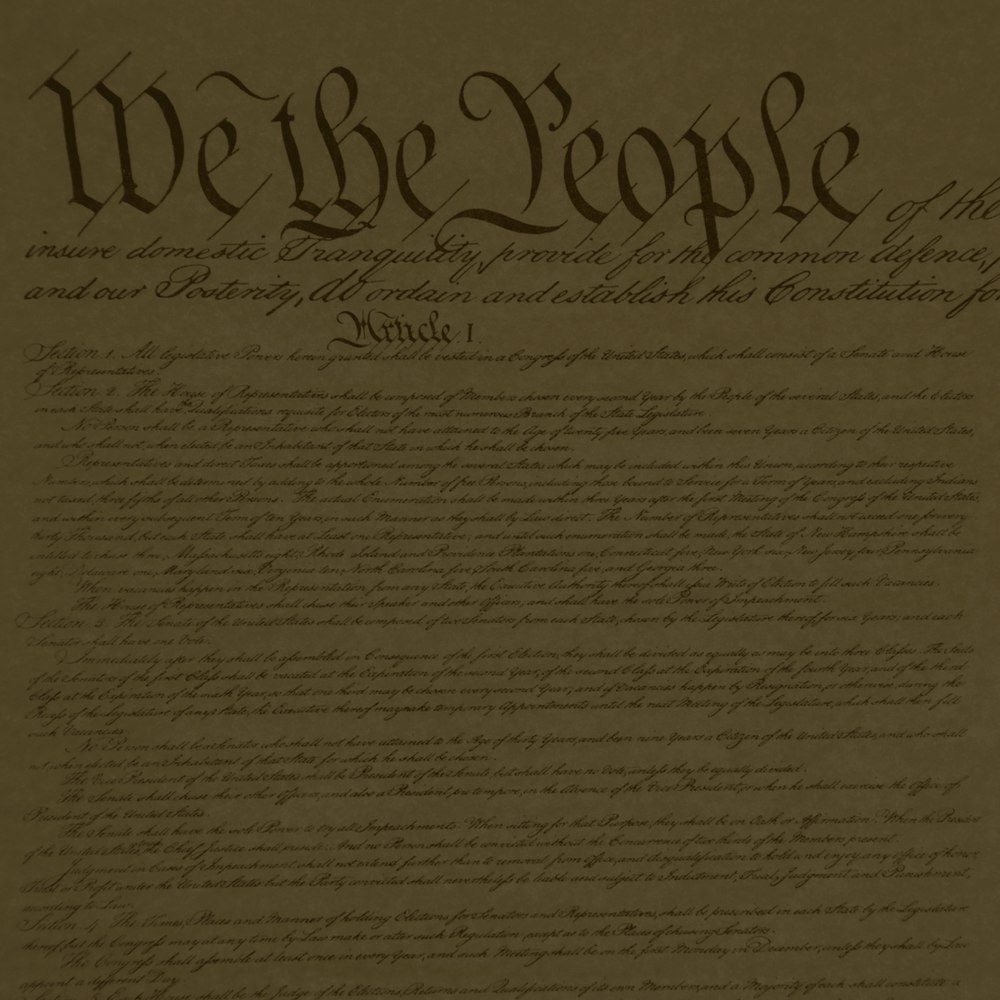
AI for Understanding the Law and its Evolution
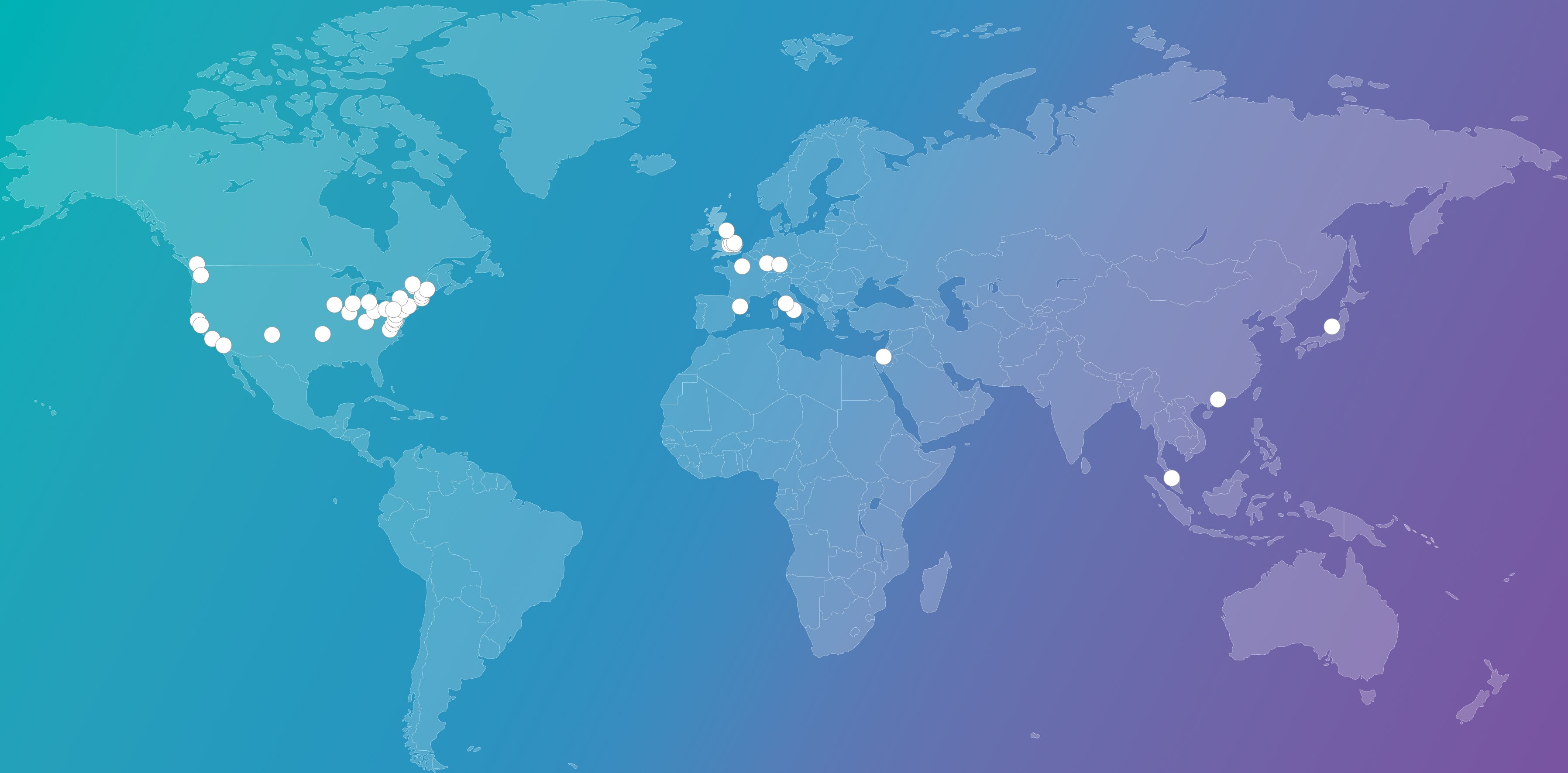
Global Map of HAVI Awardees
2026 Advisory Board
-
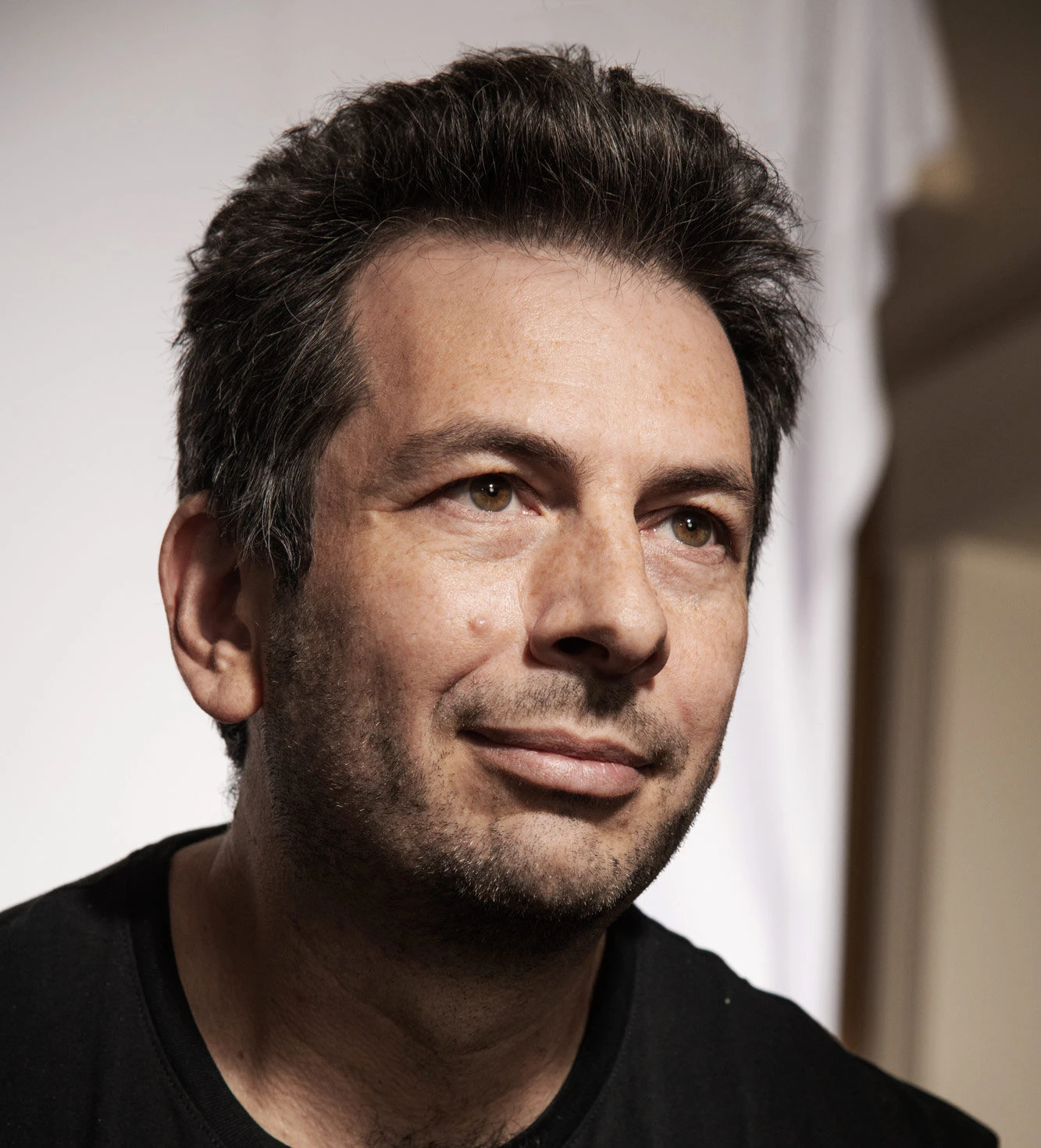
Blaise Agüera y Arcas
Google
-

Lauren Tilton
University of Richmond
-
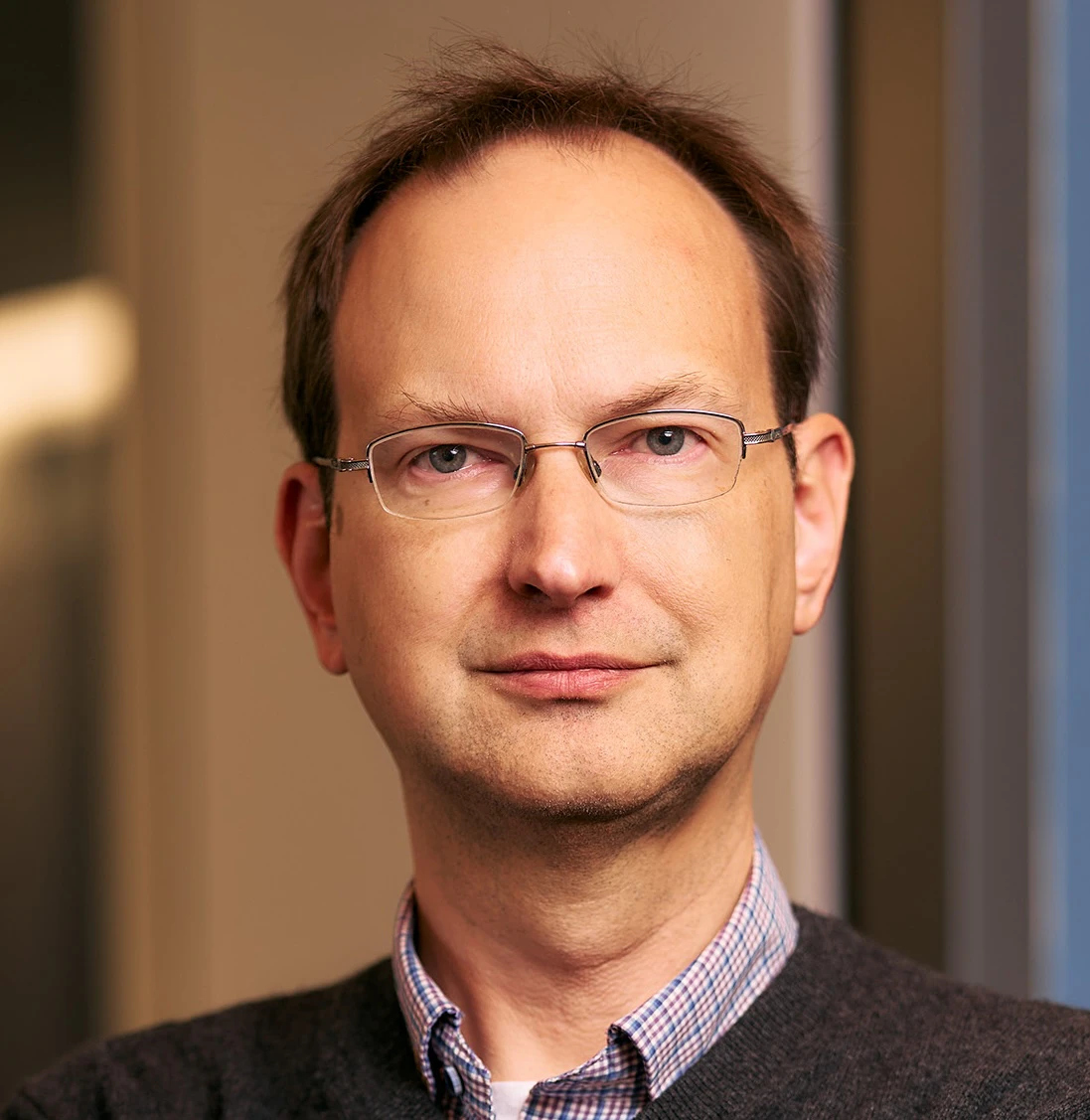
David Mimno
Cornell University
-
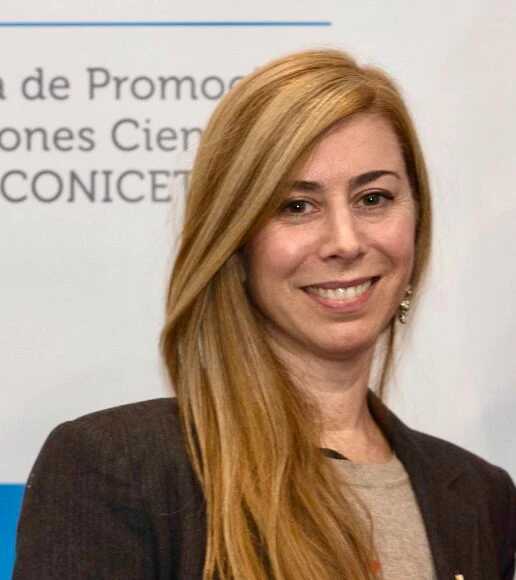
Gimena del Rio Riande
Consejo Nacional de Investigaciones Científicas y Técnicas (CONICET)
-
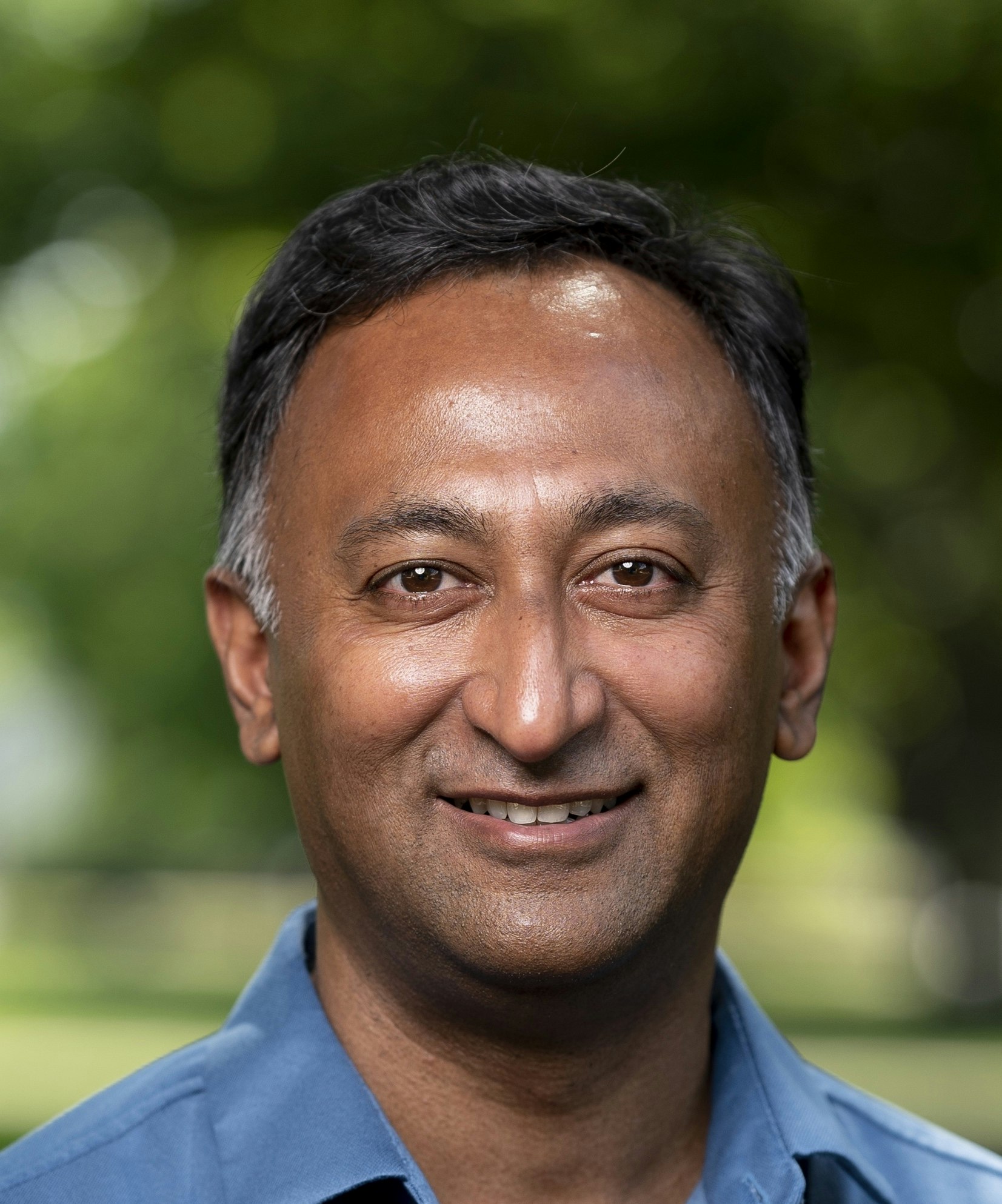
Sayeed Choudhury
Carnegie Mellon Libraries
-
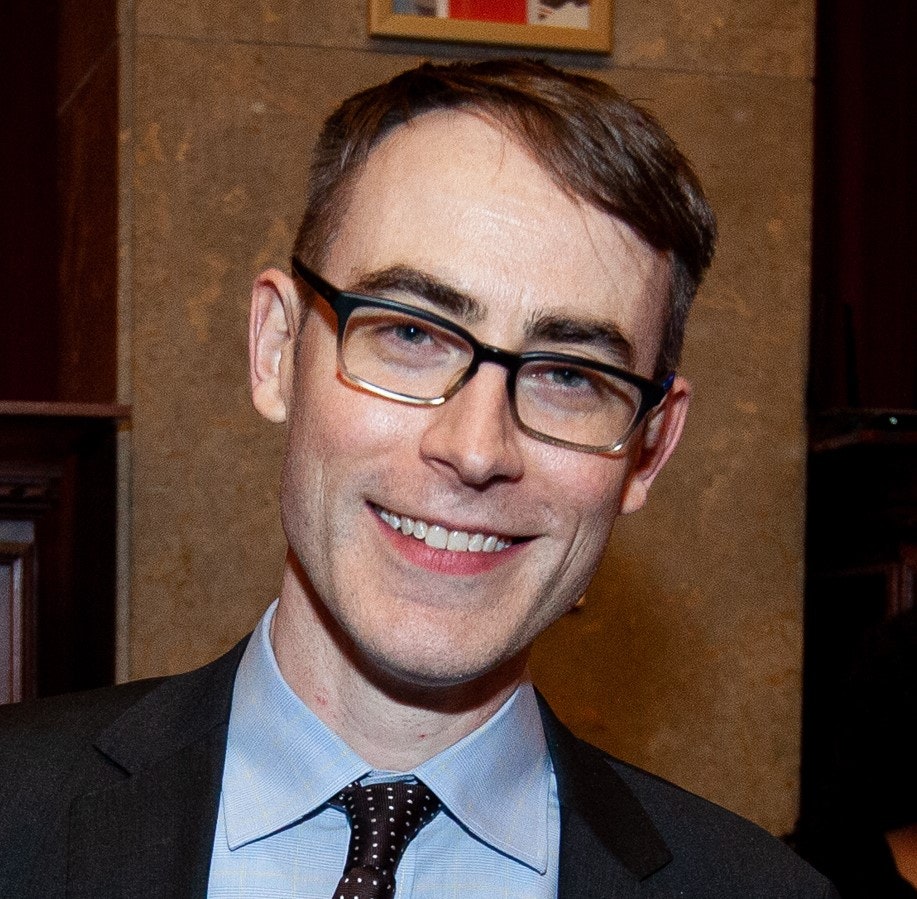
Daniel Reid
Getty Foundation
-

Melissa Terras
University of Edinburgh
-
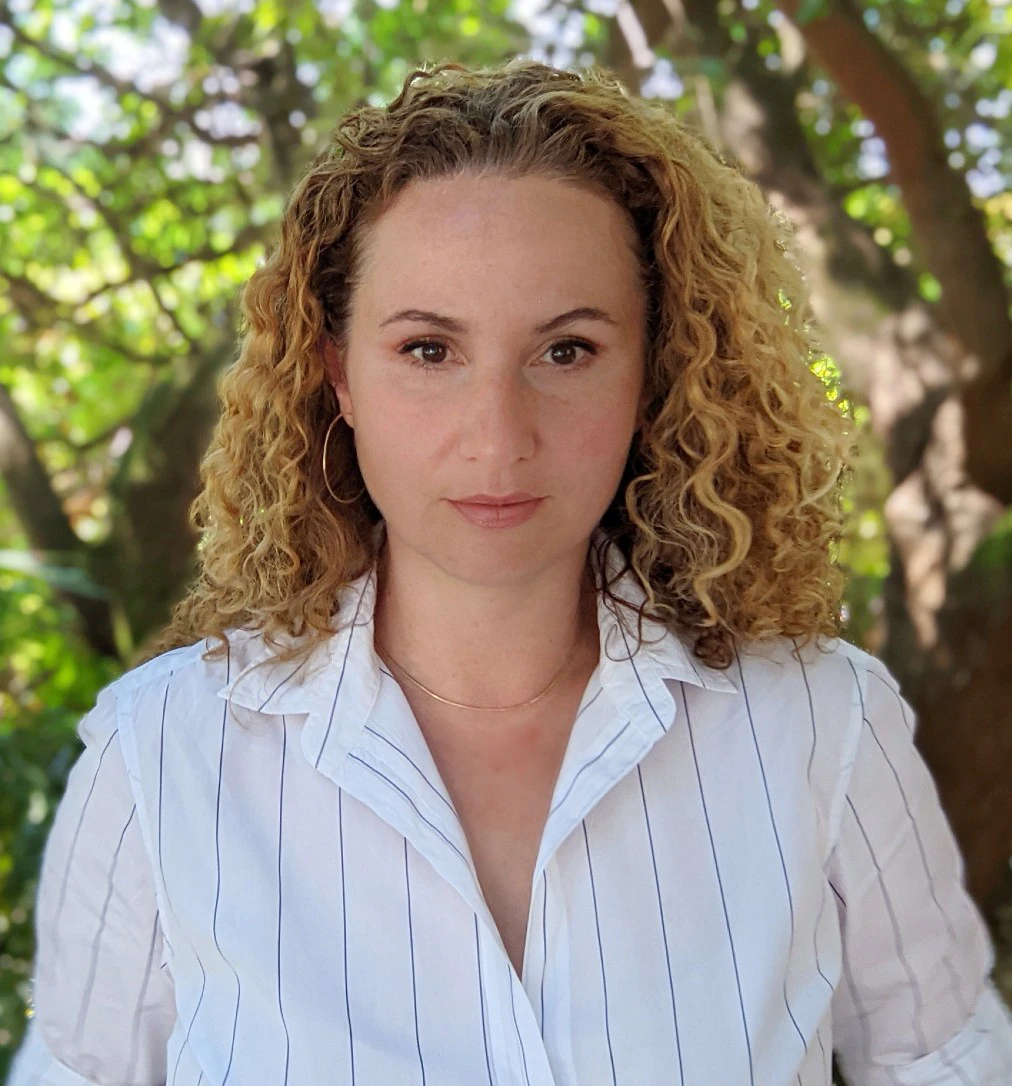
Yulia Tsvetkov
University of Washington
Contact Us
Inquiries may be sent to: [email protected]
Sign up to be notified about upcoming funding opportunities and programmatic developments.