AI & Advanced Computing

Supporting AI research and tools to accelerate breakthroughs across fields
Opportunities for Funding
-
Apply
2026 AI for Actionable Matter Modeling
AI for Actionable Matter Modeling
-
Apply
2026 Unconventional Compute RFP
Unconventional Compute
-
Apply
2026 Science of Trustworthy AI RFP
Science of Trustworthy AI
-
Apply
2026 Humanities and Artificial Intelligence Virtual Institute (HAVI) RFP
Humanities and AI Virtual Institute (HAVI)
Goals
-
Advance the science of AI to develop more robust, reliable, and safe AI-enabled systems, capable of realizing the beneficial promise of AI
-
Enable AI to make significant contributions to humanity's greatest scientific challenges and opportunities
-
Foster the creation of research platforms like datasets, experiments, evaluations and models that can both accelerate and measure the impacts of AI
-
Contribute to the growth of a vibrant, diverse, and global scientific community focused on advancing AI
Programs
-
AI Agents
The AI Agents pilot program supports researchers in academia and nonprofits who are exploring how multiple intelligent agents communicate and coordinate with one another.
Learn More
-
AI2050
AI2050 aims to support exceptional people working on the key opportunities and hard problems that are critical to get right for society to benefit from artificial intelligence.
Learn More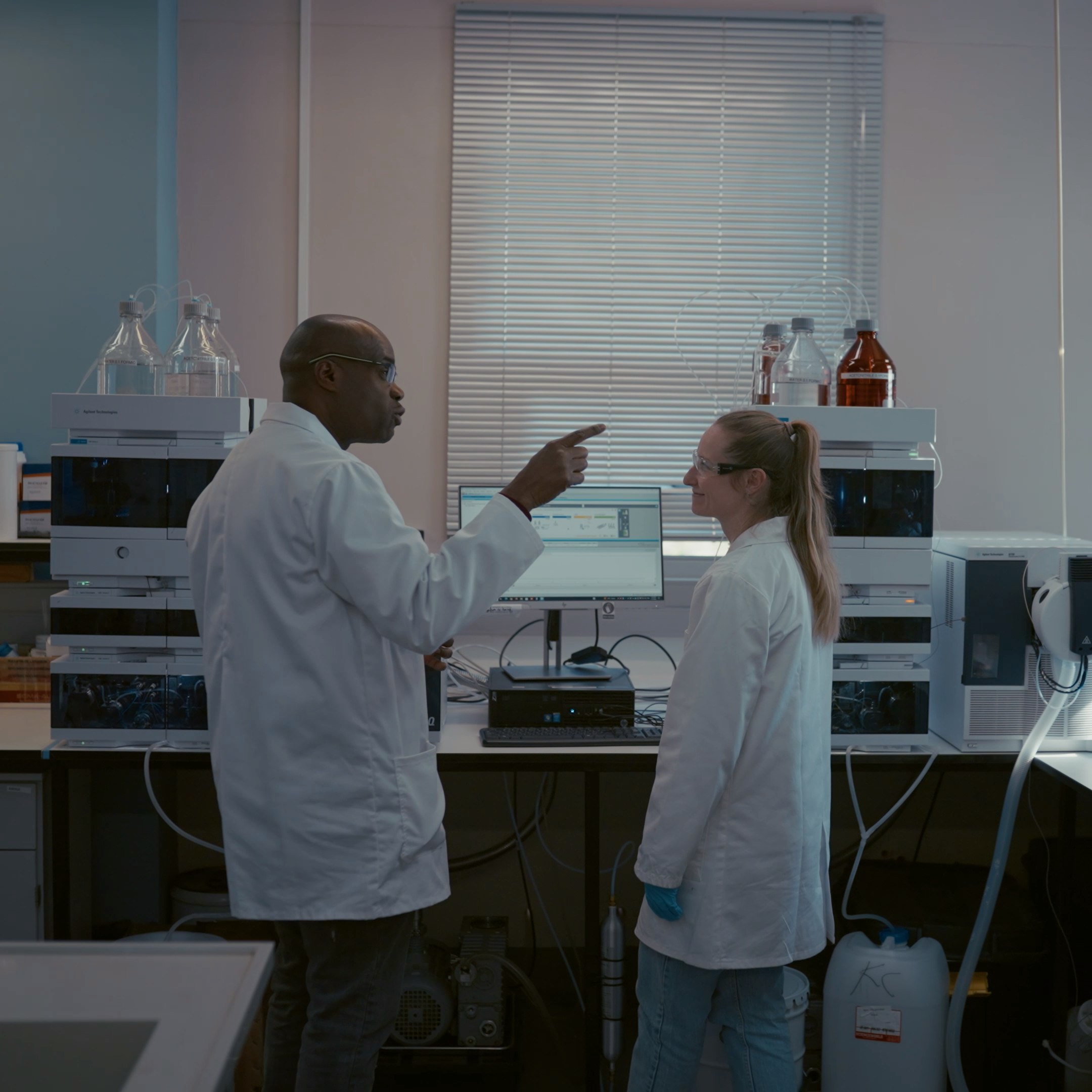
-
Science of Trustworthy AI
The Science of Trustworthy AI program aims to support technical research that improves our ability to understand, predict, and control risks from frontier AI systems while simultaneously enabling their trustworthy deployment.
Learn More
-
AI for Actionable Matter Modeling
The AI for Actionable Matter Modeling pilot program aims to help connect computer models with real lab work by creating AI-powered simulation tools that make accurate, lab-ready predictions.
Learn More
-
Humanities and AI Virtual Institute
The Humanities and Artificial Intelligence Virtual Institute (HAVI) fosters interdisciplinary collaborations to bridge the gap between AI capabilities and humanities research.
Learn More
-
AI at Work
The AI at Work program aims to drive exceptional research into how AI adoption may influence the nature of work and the functioning of the labor market.
Learn More
-
Unconventional Compute
Modern AI is built on two pillars: the transformer architecture and high-performance CMOS chips. While AI models have grown exponentially in capability, the hardware running them—standard CPUs and GPUs—is approaching the physical limits of fabrication. This pilot program will catalyze “next-wave” AI hardware that is fundamentally different from conventional digital accelerators.
Learn More
-
Accelerate Program for Scientific Discovery
The Cambridge Accelerate Program for Scientific Discovery provides young researchers with specialized training in AI techniques, equipping them with the skills they need to use machine learning and AI to power their research.
Learn More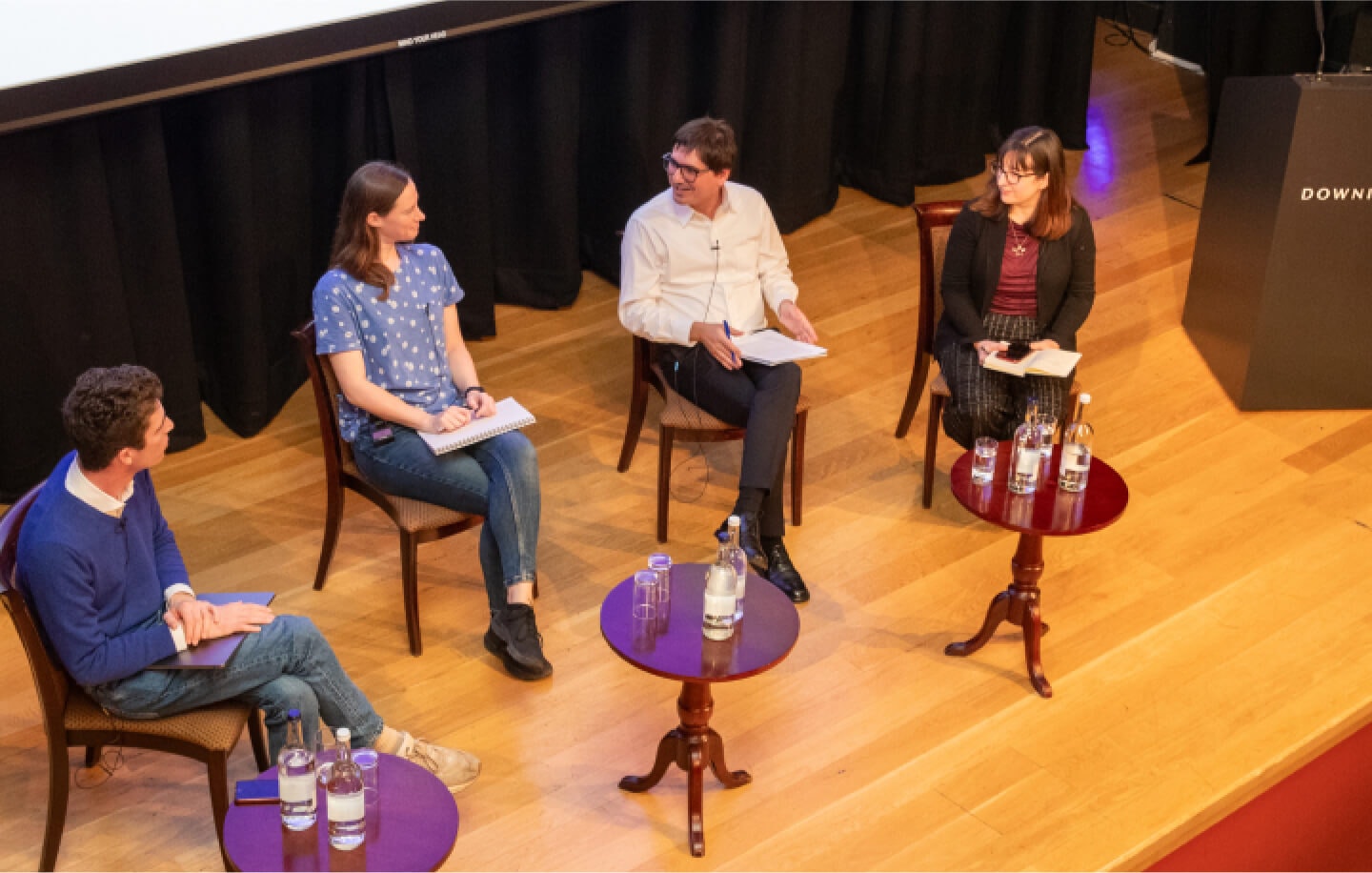
-
ELICSIR Foundation
The ELICSIR Foundation aims to cultivate a new generation of exceptionally talented and motivated young computer scientists and to significantly improve Italy’s global reputation in the field of computing.
Learn More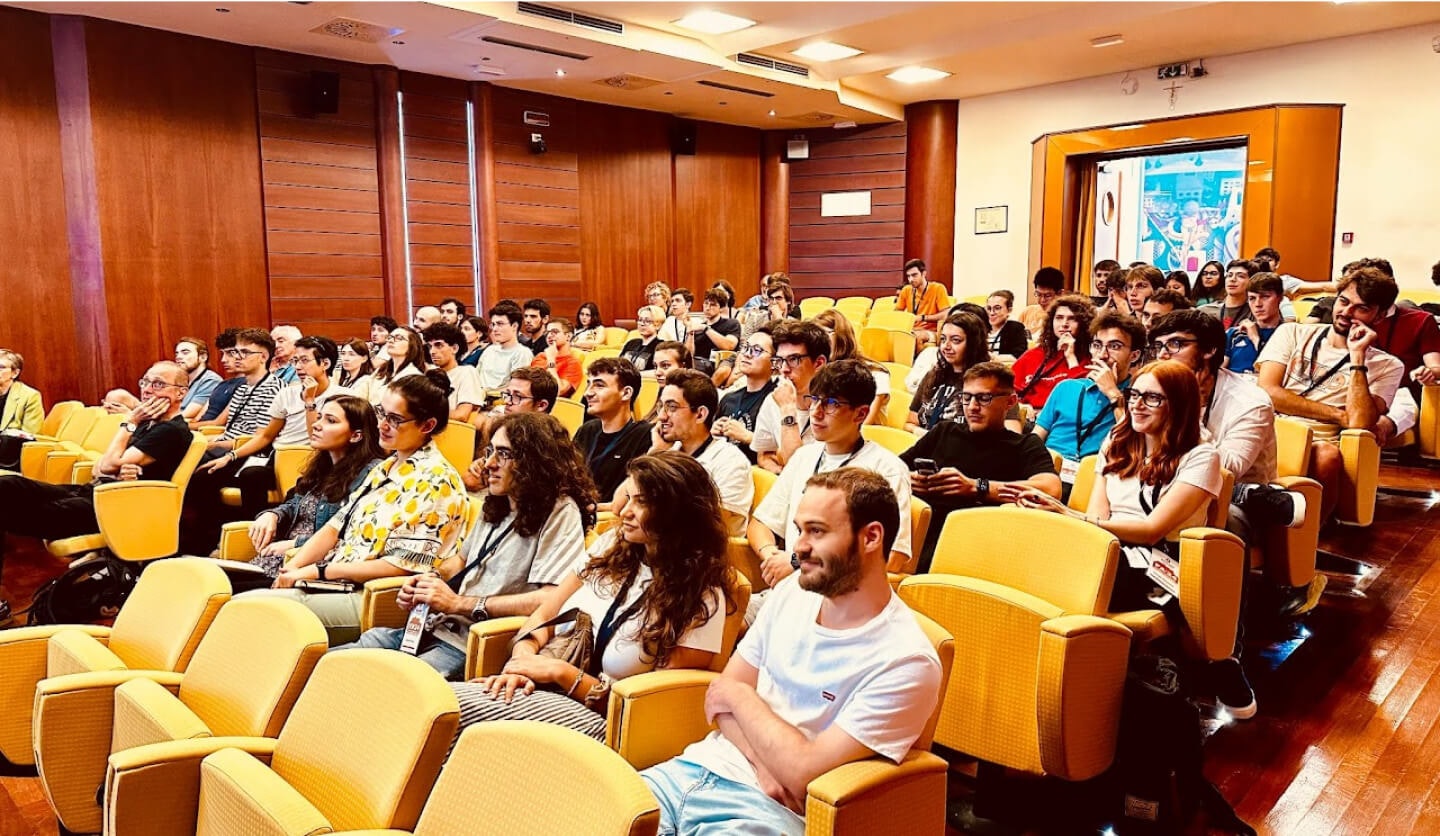
-
AI Interpretability
Many advanced AI systems operate as “black boxes,” making it hard to understand or validate how they arrive at their answers, and limiting trust in their outputs. The AI Interpretability pilot program supports research to make AI systems more interpretable and reliable, with a particular focus on detecting and preventing deceptive behaviors such as sycophancy and knowingly harmful advice.
Learn More