
Sara Seager
| Program | Morning Star Mission to Venus |
| Organization | Massachusetts Institute of Technology |
| Field of Study | Astrophysics & Space |
Dr. Sara Seager’s Morning Star mission is pioneering a faster, leaner model for planetary science—sending the first probe into the atmosphere of Venus in four decades, with a flight-ready instrument built through Schmidt Sciences support.
It has been four decades since humanity last sent anything into the atmosphere of Venus. In that time, scientists discovered thousands of planets orbiting distant stars, built telescopes capable of reading their atmospheric chemistry and debated endlessly about where life might hide. Our nearest planetary neighbor—a world shrouded in sulfuric acid clouds yet temperate in its upper atmosphere—was left alone.
Dr. Sara Seager, a professor at Massachusetts Institute of Technology (MIT), spent thirty years at the frontier of exoplanet science, contributing to a field she now describes as very mature. Maturity, for Seager, became a mismatch. “I’m really more interested in new things that don’t exist yet,” she says. “New frontiers, new ways of doing things.” Her research led her to phosphine, a gas that under certain conditions could signal biological activity. A controversial detection of the compound in Venus’s clouds made international headlines and reignited interest in a planet the scientific establishment had deemed too risky to revisit.
The traditional path to a planetary mission takes decades and requires broad community consensus. A small, focused mission to probe Venusian cloud chemistry was never going to survive that process. So Seager assembled her own team and charted a different course—one built on speed, focus and targeted support.
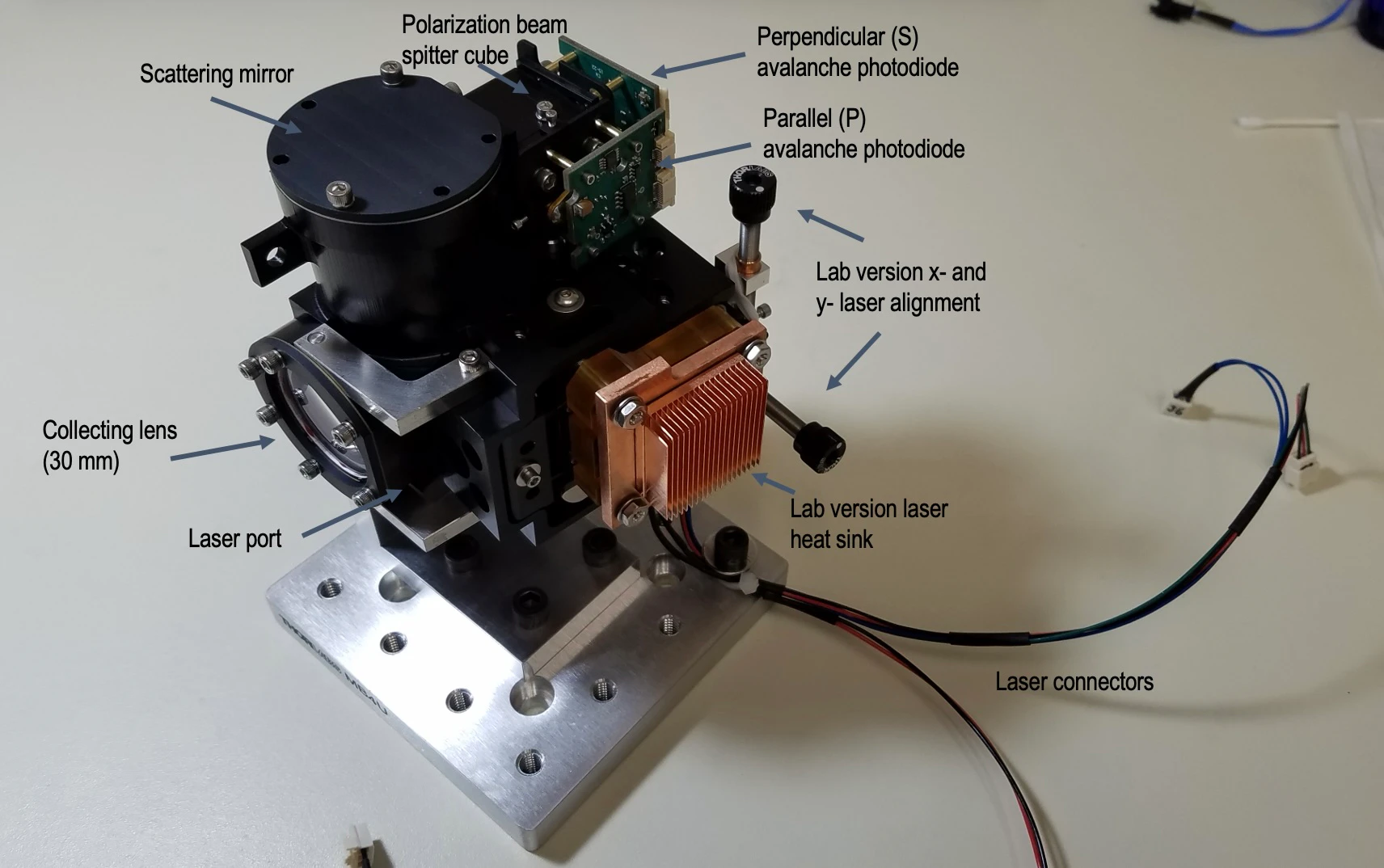
Schmidt Sciences funds the Morning Star mission‘s science instrument and associated research which at its core, makes the mission viable. The probe, designed to descend through Venus’s cloud layer, carries a laser-based instrument that measures the backscattered, or reflected, light. These measurements of the size, shape and composition of the droplets can tell us whether the cloud particles are purely sulfuric acid, or if they could contain organic molecules signaling the conditions necessary for life.
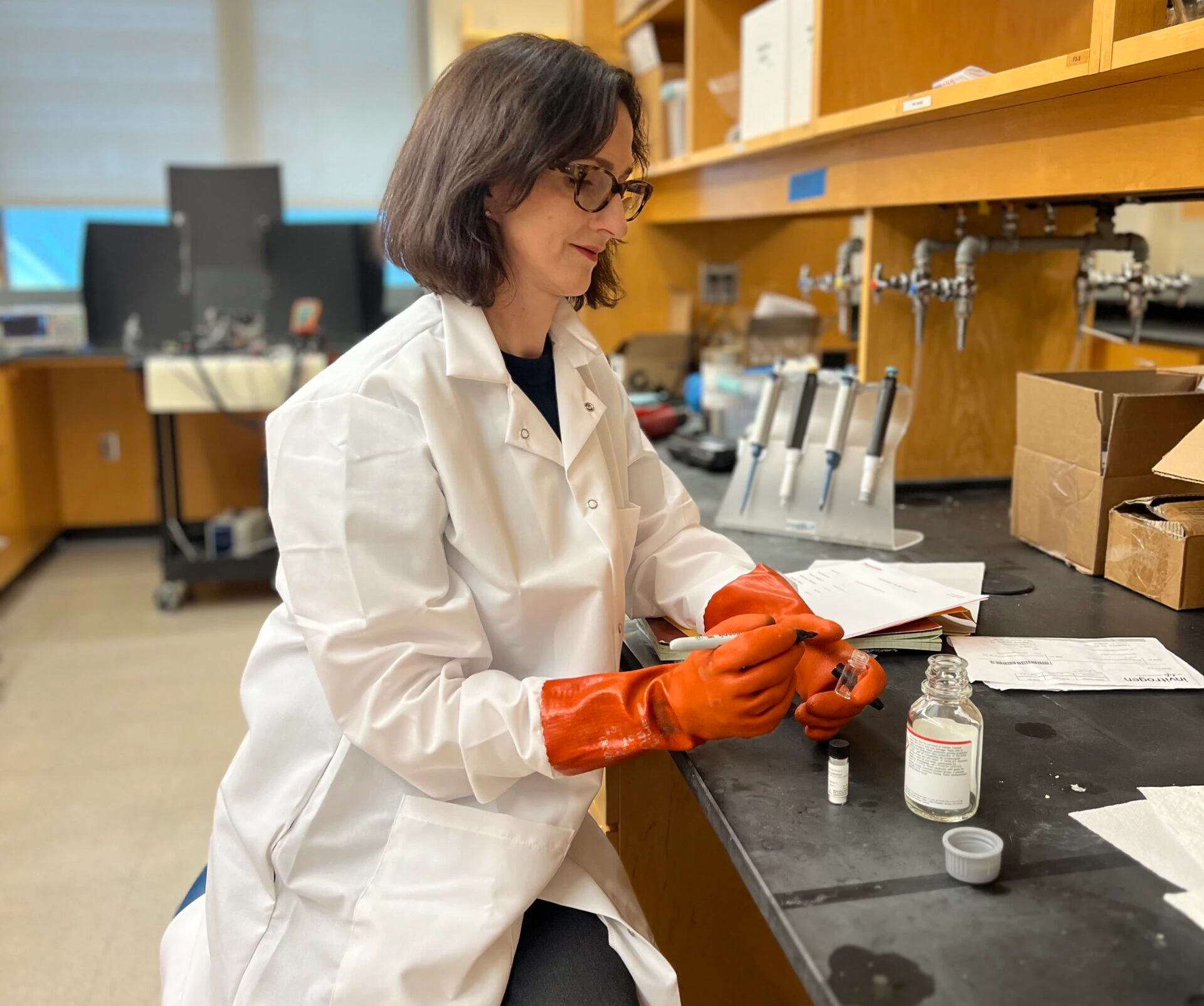
The pre-mission research has already produced surprises. Laboratory work revealed an unexpectedly wide range of compounds that remain stable in concentrated sulfuric acid. A PhD student supported by the project developed statistical methods to help quantify what the probe’s limited data reveals about cloud composition, bringing modern tools to questions that older missions could only address crudely. What started as mission support has branched into an entirely new line of research.
Seager frames Morning Star as a blueprint: not a replacement for large-scale missions, but a complement. Smaller, faster, more frequent and laser-focused on specific questions. “We shouldn’t be just having one mission to a planet’s atmosphere every four decades,” she says. The implications reach beyond Venus. Every world in our solar system represents a different outcome of planetary formation. Understanding Venus forces scientists to reckon with the staggering diversity of what a planet can become—knowledge that is essential as we begin reading the atmospheres of thousands of exoplanets whose stories we cannot yet interpret.