Karen Warner
| Program | Virtual Institute for Feedstocks of the Future (VIFF) |
| Organization | BEAM Circular/UC Berkeley |
| Field of Study | Biosciences |
Innovation in bio-based manufacturing can be limited by access to feedstock, even in California’s Central Valley, which produces vast quantities of food – and reusable biowaste. BEAM Circular is cataloging that waste and connecting farmers to buyers who need it.
Making food for people and animals also makes a lot of waste—from almond shells to tomato and grape skins to corn husks.
The North San Joaquin Valley in Central California is the beating heart of some of the world’s most productive agricultural land, where hundreds of commodities are grown, harvested and shipped around the globe.
“It’s a fantastic place to explore what we can do with organic materials, including food and agricultural waste,” says Karen Warner, founder and CEO of the nonprofit BEAM Circular, a sub grantee (through UC Berkeley) of Schmidt Sciences’ Virtual Institute on Feedstocks of the Future (VIFF). “And it’s a great place to scale up manufacturing.”
For Warner, it’s also home. Growing up in a family that worked in agriculture, she saw up close the challenges facing the underserved region, from high poverty rates to public health challenges. After working in health and politics, she found herself going back to the land.
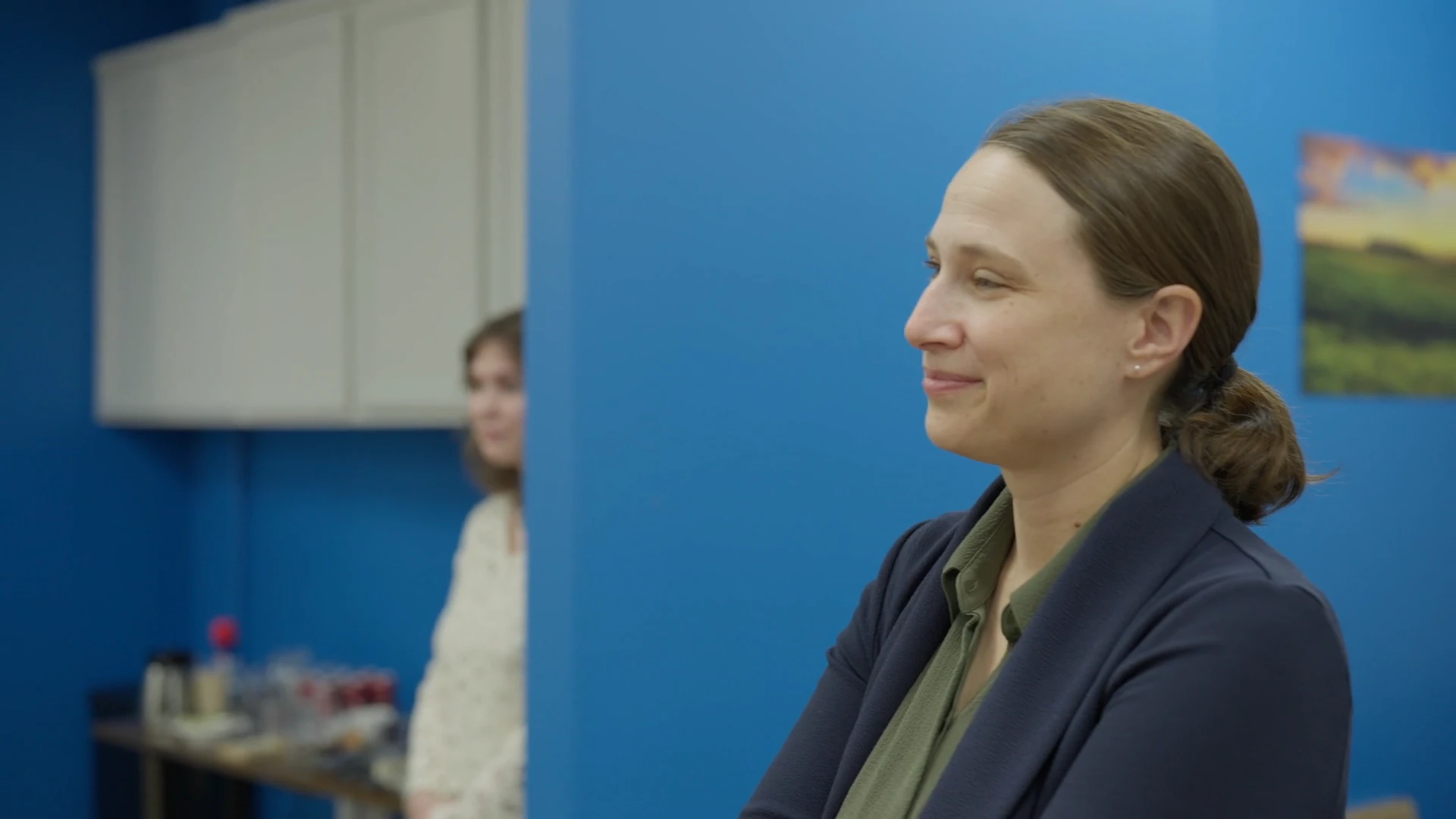
“We need to rethink our economy so that it works better for people and the planet—and rural and agricultural communities have a leading role to play there,” Warner says. “Bio-based manufacturing is a growth opportunity that is place-based and globally minded.”
Making useful new products from farm waste would require cross-sector collaboration, Warner knew. Through her nonprofit organization, BEAM Circular, she has partnered with over 200 businesses, scientists, education institutions and government agencies to transform biowaste into new value—creating local jobs and community benefits in the process. Through this work, it became clear that while local farmers were eager to explore new solutions for their waste, entrepreneurs and manufacturers seeking new inputs for their bio-based products had limited visibility into where and how to acquire them.
BEAM Circular partnered with scientists at Lawrence Berkeley National Laboratory, UC Berkeley and UC Merced, among others, to launch the BioCircular Valley project to bridge the data gap. While researchers, also funded by VIFF, explored new applications for waste and the technologies to transform it, Warner and the BEAM team worked on the user side of the equation, connecting the science with the local community’s assets and industry needs.
“Schmidt Sciences has been essential to advancing shared data, a key part of any circular bioeconomy strategy,” Warner says. “We need data tools for farmers, food processors, scientists, economic developers, manufacturers and more so they can find the feedstocks they need and create the products they want.”
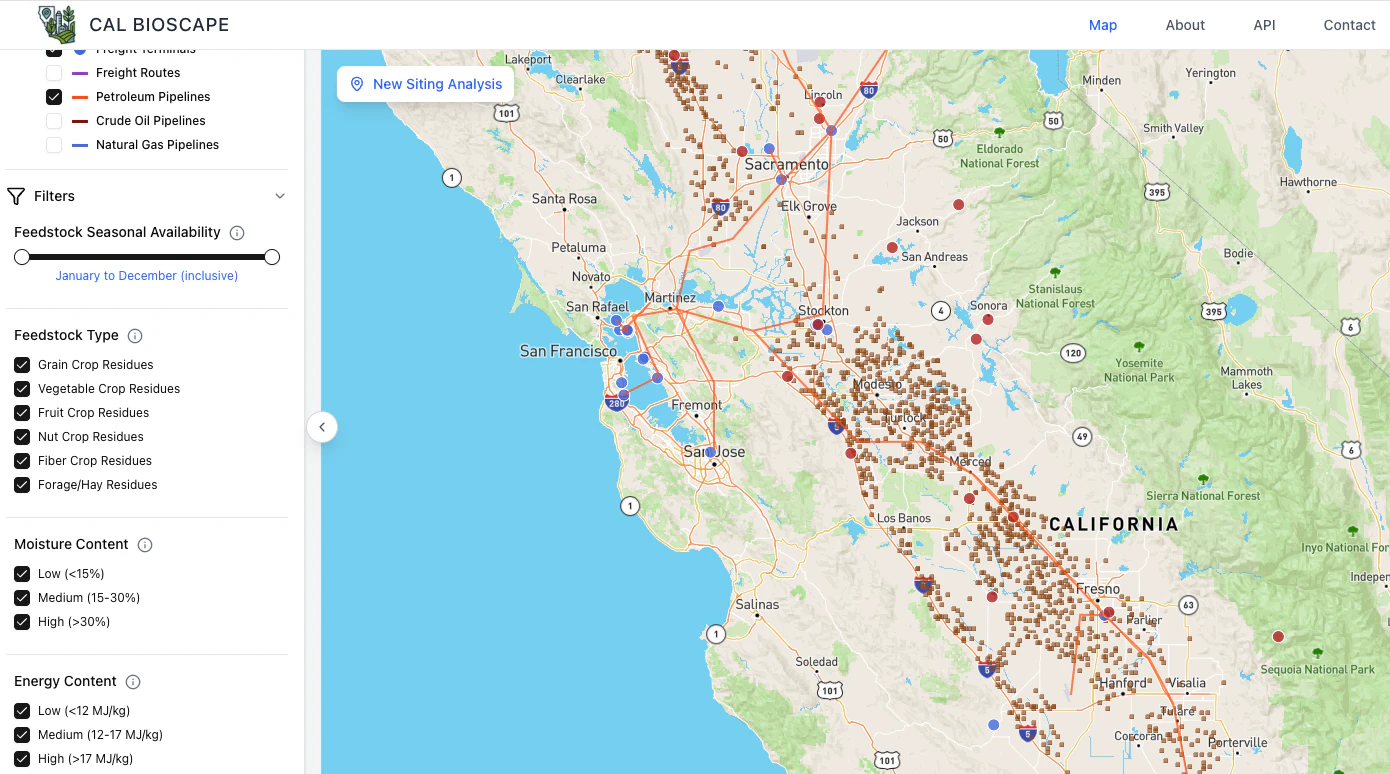
The first step for the VIFF-funded work is to build the database underlying that tool by taking physical samples of dozens of different types of biomass, straight from the field or the factory. Those samples are being studied and characterized, including according to metadata about where they came from, how they were farmed, the available quantity, the environmental impact of producing them and more.
“If you have a lot of data on these feedstocks, you can help tech developers and scientists find new ways to use the biomass faster,” Warner says. “They’ll know quickly that these particular almond shells work really well for a bio-based plastic substitute.”
The raw feedstock samples will also help scientists examine which chemical, biological or thermochemical methods work best to turn that waste into a useful output. Those outputs could include anything from food packaging to clothing to clean herbicides and soil amendments to sustainable fuel to ingredients for animal feed.
At BEAM, Warner is capturing all the data to build a public portal designed specifically for users looking to turn this information into action.
“Imagine an Amazon for feedstocks,” Warner says. “You can see every possible available feedstock, read a description and reviews, find the seller. Our platform won’t do the buying and selling part, but we get as close as possible to that exchange.”
Without the platform, farmers and companies rarely meet.
“For start-ups trying to scale a bio-based product, you have to know somebody to get feedstock,” Warner says. “Our farmers have an abundance of byproducts ready for new uses and commercial applications.”
She adds, “We do a lot of matchmaking. This portal will help us scale and strengthen those efforts.”