
Yael Vinker
| Program | Israeli Women's Postdoctoral Award |
| Organization | Massachusetts Institute of Technology |
| Field of Study | Computer Science |
By merging the precision of computer science with the intuition of graphic design, Dr. Yael Vinker is developing AI systems that can “think” through sketching, transforming how humans and machines solve complex problems together visually.
In the modern office, the whiteboard serves as an oversized sketchbook—a space where abstract ideas are wrestled into physical form through the scrawl of a marker. We tend to think of these sketches as secondary to our thoughts, but for Dr. Yael Vinker, a researcher at MIT’s Department of Electrical Engineering and Computer Science, the act of drawing represents the thought itself. Vinker is a “visual thinker,” someone for whom a blank page is an essential part of her thought process. Her work is centered on teaching a computer to work similarly.
“All around us we have visuals like traffic signs, maps, emojis, so it’s very natural for us to communicate visually. I develop these abilities in computers,” she says.
The core of Vinker’s work lies in what she calls “sketch intelligence.” She is developing models capable of taking abstract human thoughts and distilling them into simple, communicative sketches. In Vinker’s vision, a computer could use these sketches to solve problems, much in the same way an architect or engineer might doodle on the back of a napkin thinking through a structural question.
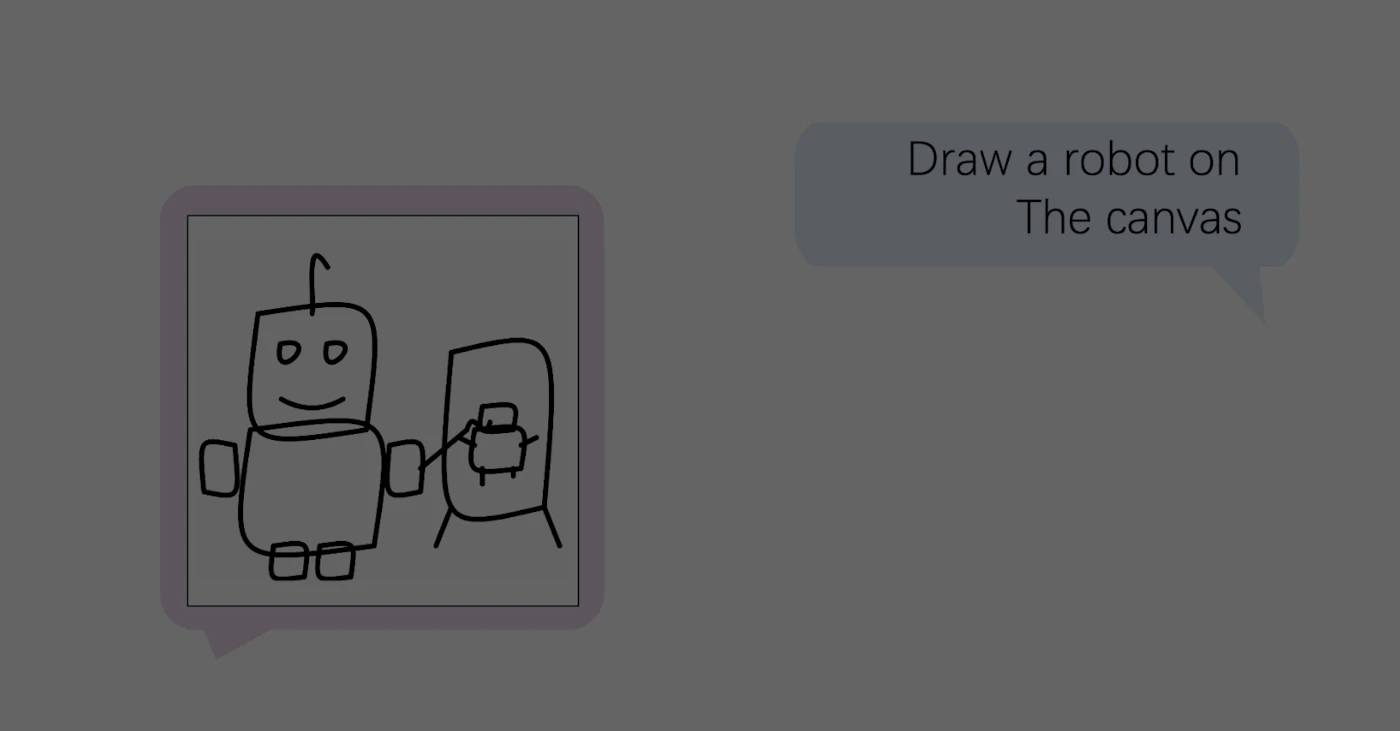
“We have large language models like ChatGPT that mean suddenly we can speak English with them, and this has opened so many possibilities that we didn’t even imagine. So imagine what could happen if we could have whiteboard-like conversations with models. I think this will open a lot of possibilities we cannot even predict.”
Initially she wondered whether anyone else would be interested in the algorithm she developed to make this possible, but the graphics design research community recognized her achievement immediately. Her peers are now exploring new use cases and applying the algorithm in ways she never expected. She’s particularly excited about insights from outside testing, through collaborations with Stanford University and the MIT Media Lab.
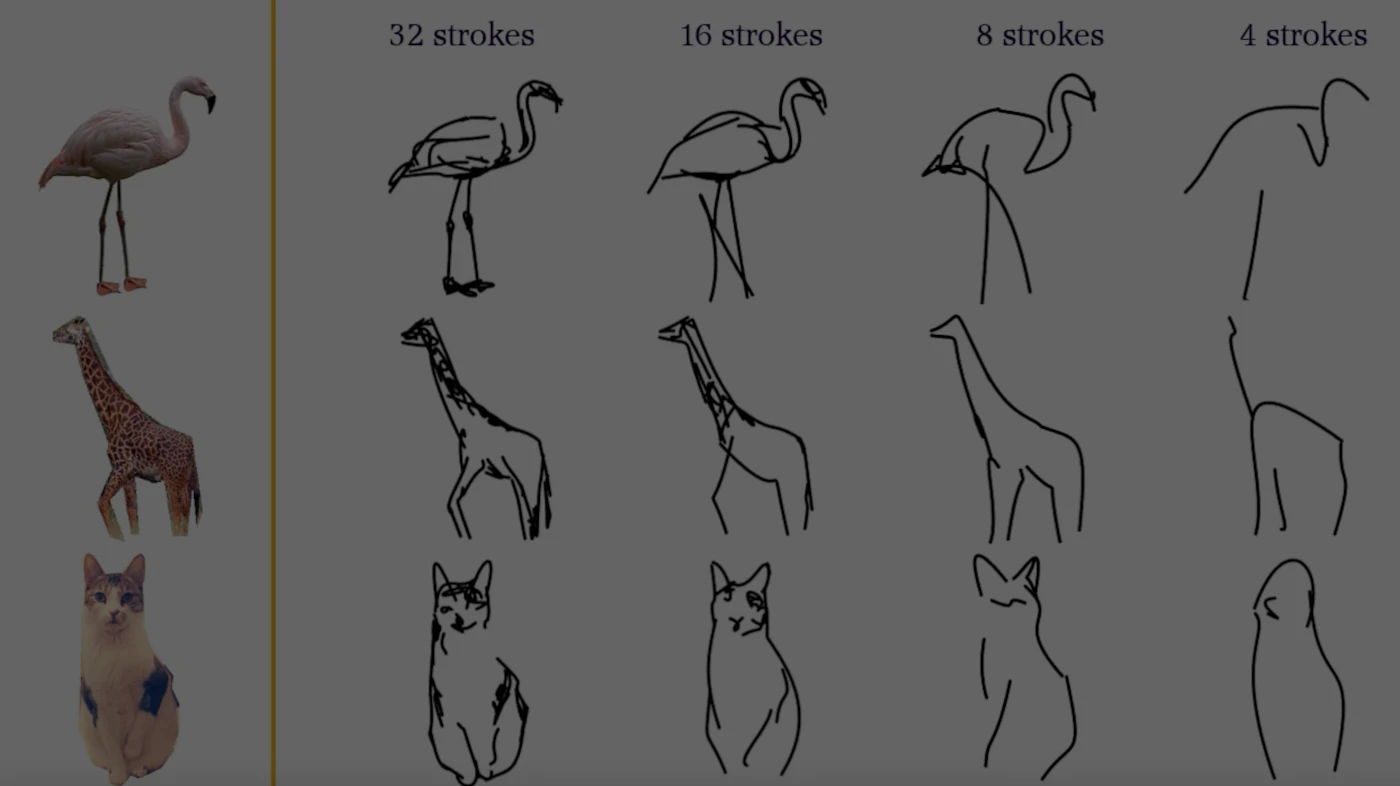
“You see how other people start utilizing it, and sometimes it answers questions, and sometimes it opens the way to more questions,” she says. “It’s just open for the world, so I hope they will use it. I just don’t know how.”
The ultimate goal is a fundamental shift in the human-computer relationship. If we can move beyond the constraints of text and enter a “whiteboard-like” dialogue with LLMs, we open the door to a more natural, collaborative form of intelligence and learning. Vinker often references Picasso’s famous bull sketches—a series of images that show the animal figure being distilled into its most basic, powerful lines—as a primary inspiration. It is a fitting symbol for her work. As she trains the next generation of systems to see and draw, Vinker is ensuring that the computers of the future will be more than just calculators but serve as fellow visionaries.